One aesthetic across two spaces. About fabrics that don’t stop at the threshold of the home.
Contemporary designs increasingly treat space as a unified whole rather than a collection of separate zones. A terrace, balcony, or patio is part of the same composition as the living room, sharing its materials, colours, and proportions. This approach also calls for consistency when it comes to fabrics, which need to perform in different conditions without compromising their aesthetic appeal or quality.
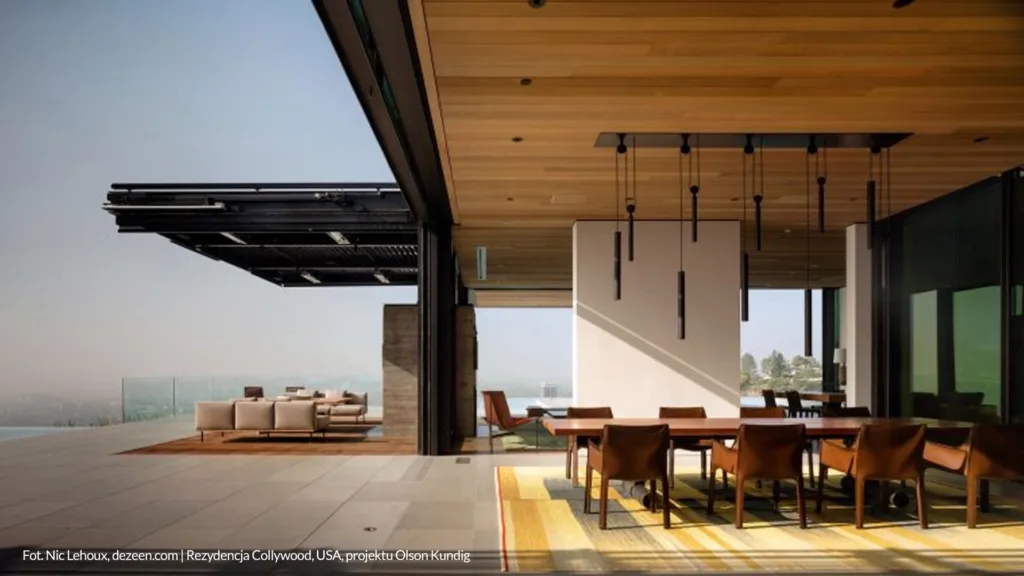
The rigid division of living spaces into separate zones is becoming increasingly irrelevant. As Dezeen observes, contemporary living spaces are “expanding outwards, blurring the boundaries between architecture and landscape.” This shift is not just about the structure of the home, but above all about how we approach its furnishings. Furniture is no longer tied to a single space, nor is a material limited to a single function.
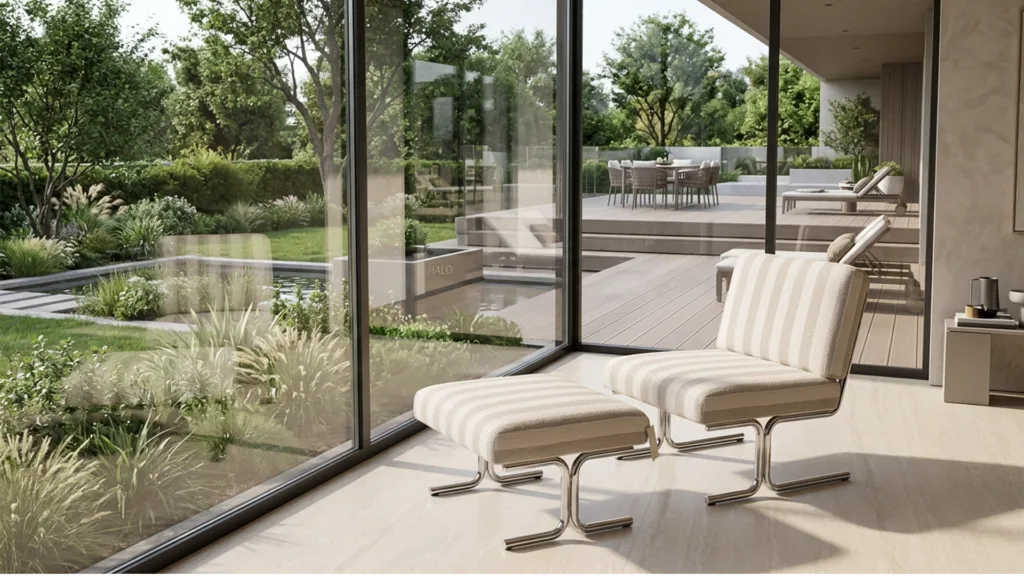
In this context, Japandi aesthetics take on a whole new dimension. This timeless style works equally well indoors and outdoors, thanks to its neutral colour palette and refined materials backed by advanced technology.
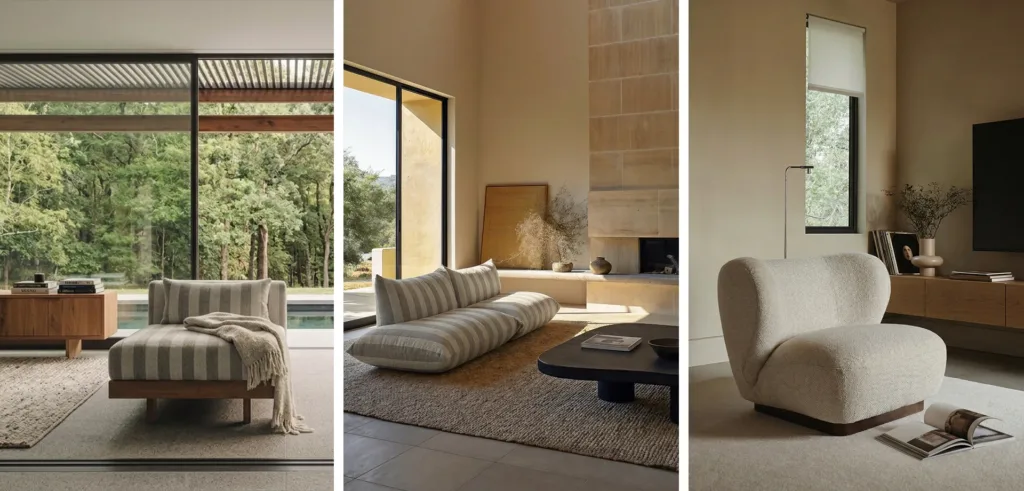
For years, outdoor solutions evolved along a separate path. Their aesthetics were dictated by durability, often at the expense of character. As a result, even well-designed outdoor furniture rarely matched interiors in terms of visual appeal.
FABB LIMITLESS technology reverses this approach. It does not change the appearance of the fabric but expands its functional possibilities. A special coating reduces moisture absorption, improves stain resistance and makes everyday care easier. As a result, a fabric that looks just as good in the living room can also be used on a terrace or in a conservatory. The same fabric retains its distinctive character while gaining new applications.
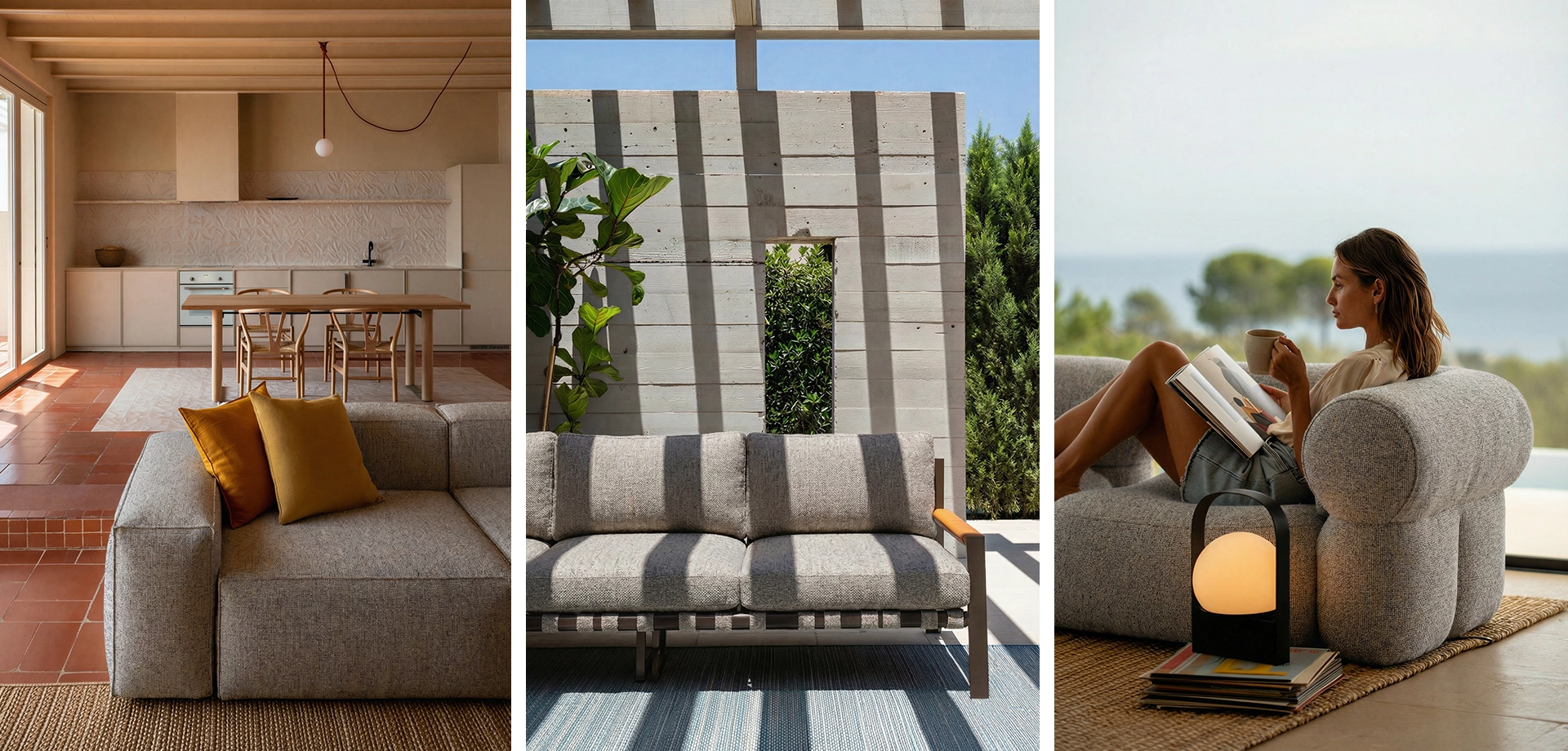
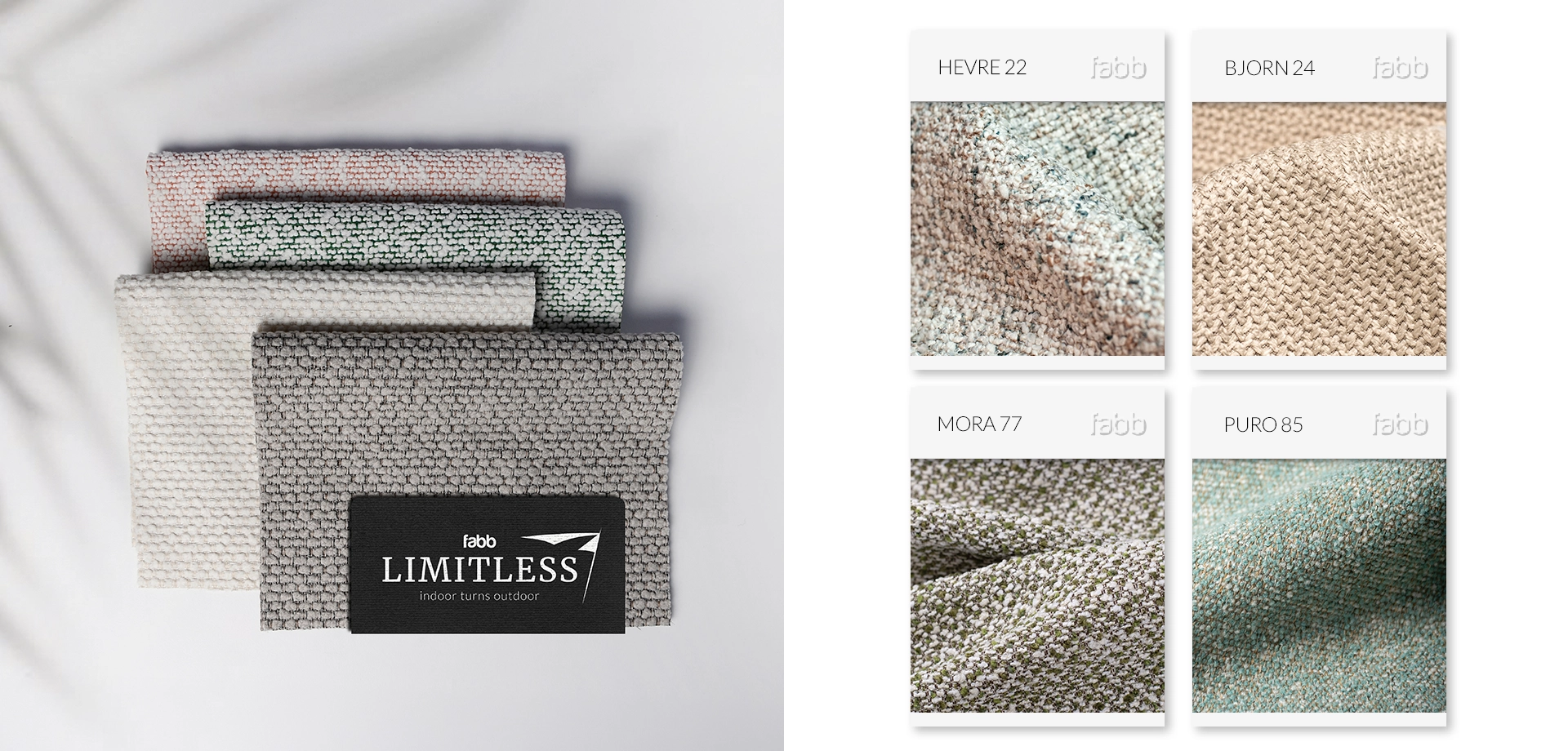
This has made it possible to introduce fabrics previously designed for living rooms into outdoor collections, including Hevre, Bjorn, Mora and the new Puro collection. What they all have in common is resistance to fading, high durability and a raw, natural aesthetic that perfectly complements outdoor spaces.
The Amalia and Alexia duo takes on particular significance in the context of FABB LIMITLESS and hybrid fabrics. Both fabrics were designed to work together, yet each serves a different purpose.
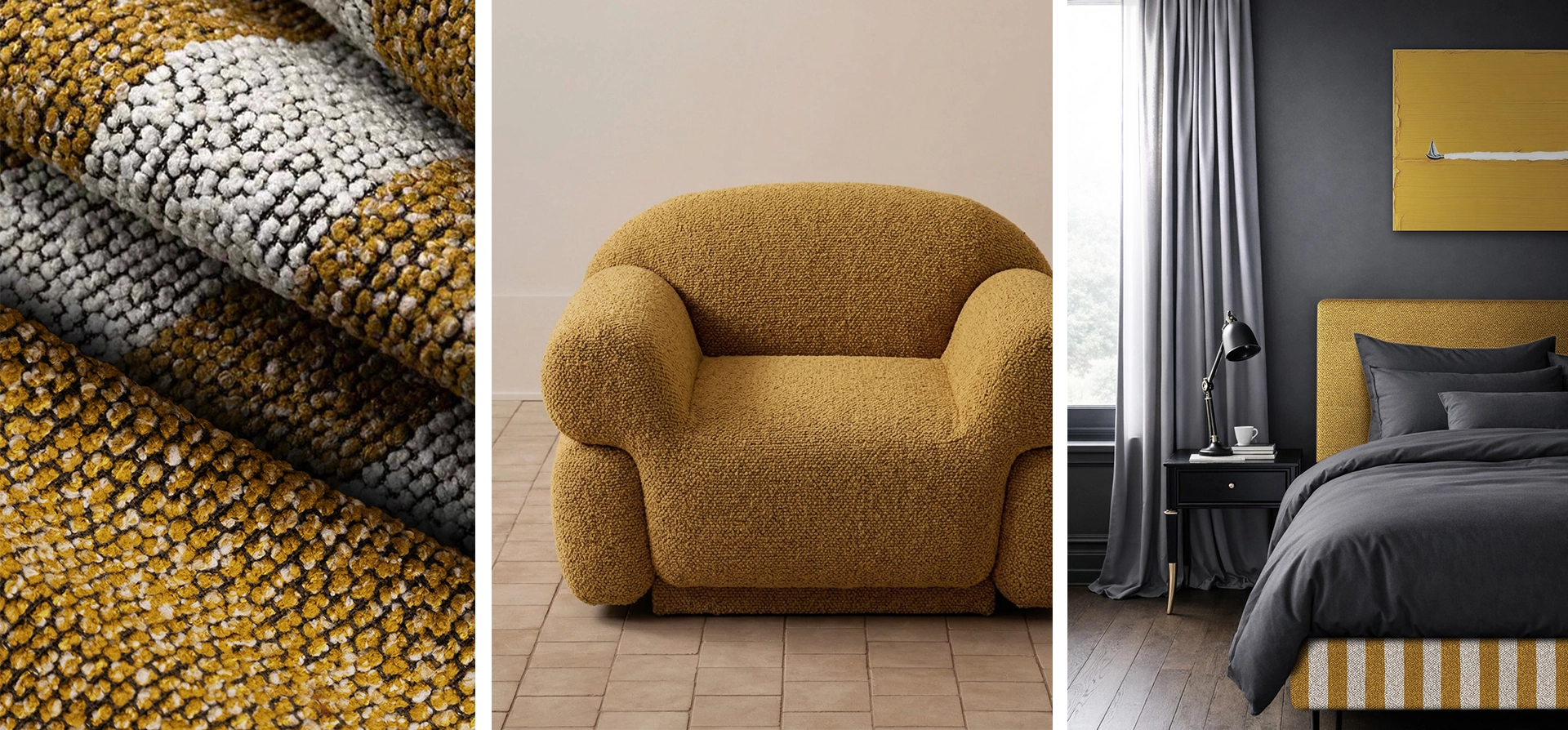
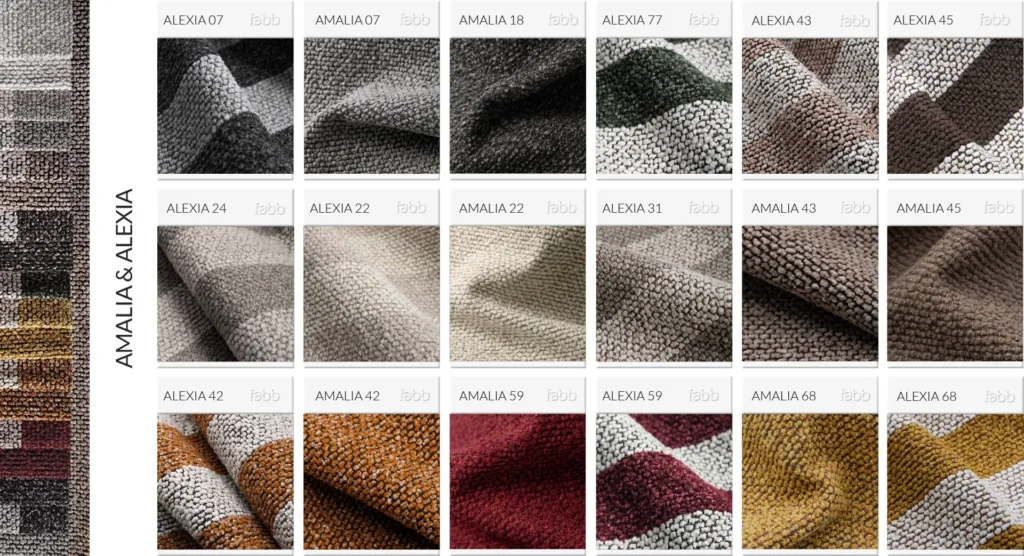
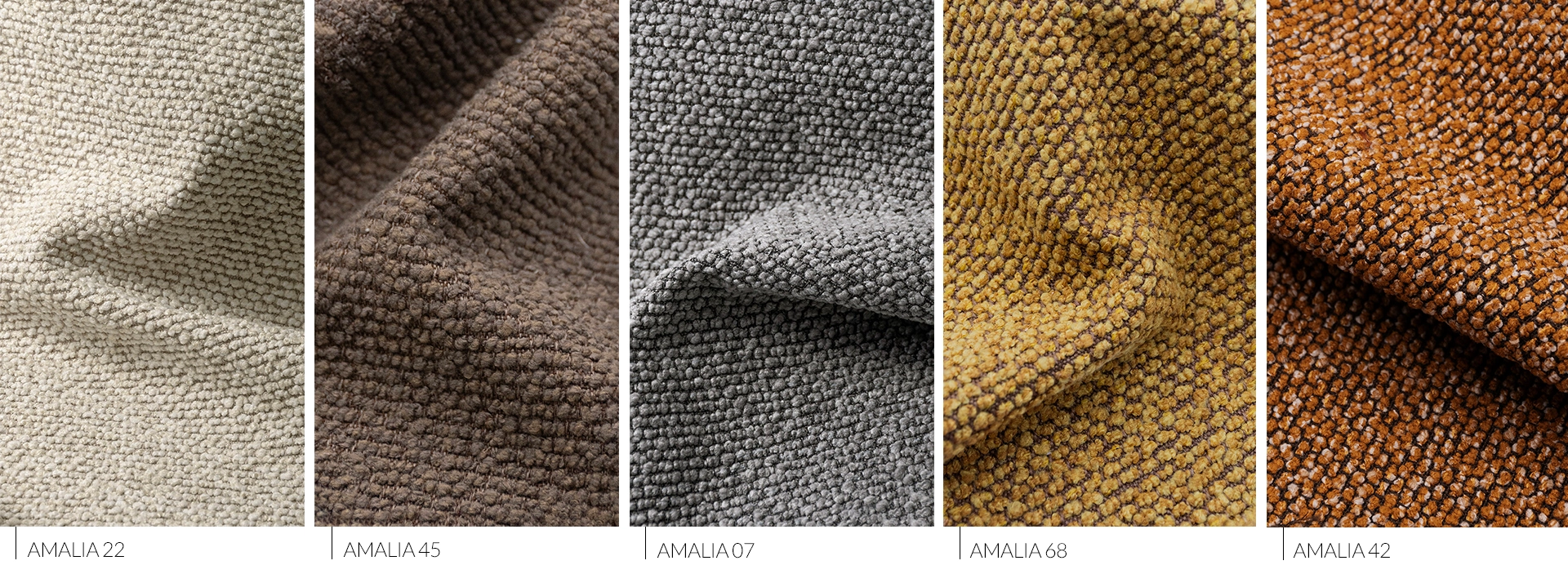
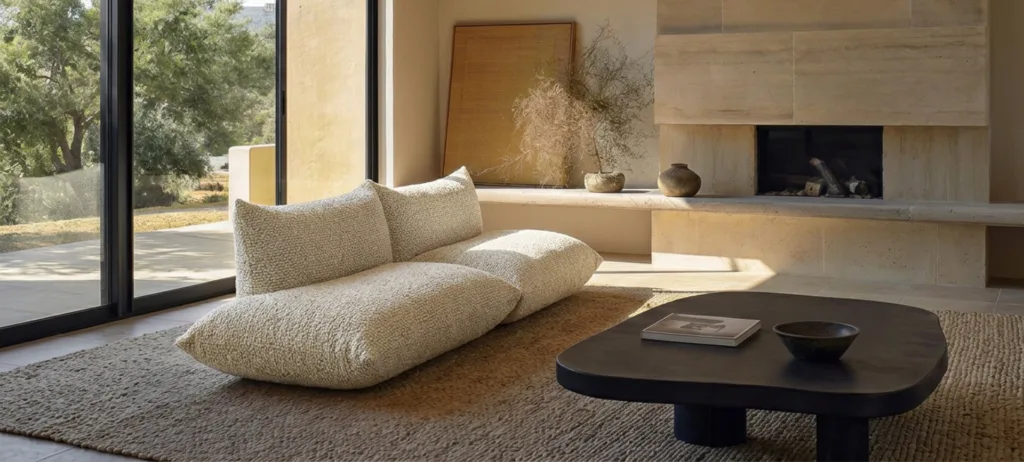
Amalia is all about texture. Its dense, pronounced, melange weave interacts beautifully with light, creating a sense of depth even in the most understated colour palettes. It brings to interiors what matters most in Japandi and warm minimalism: natural texture and a muted, unobtrusive colour palette.
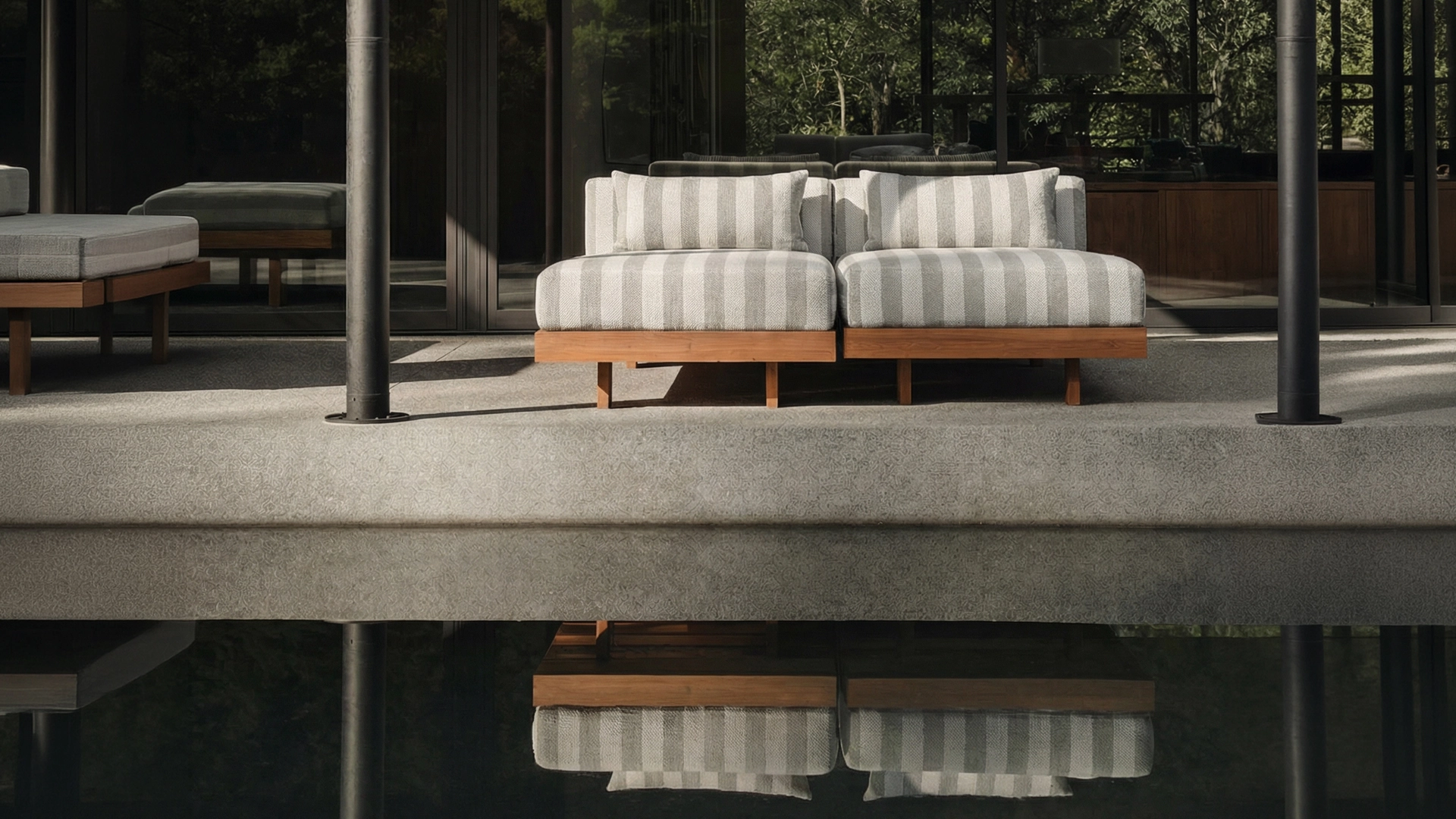
Alexia – a fabric with wide, pastel stripes, designed not only for terraces but also for interiors that aim to make a stronger statement without resorting to cheap visual effects. Its colour palette of beiges, greys, charcoals and burgundy allows the stripes to serve as a compositional element rather than a dominant motif.
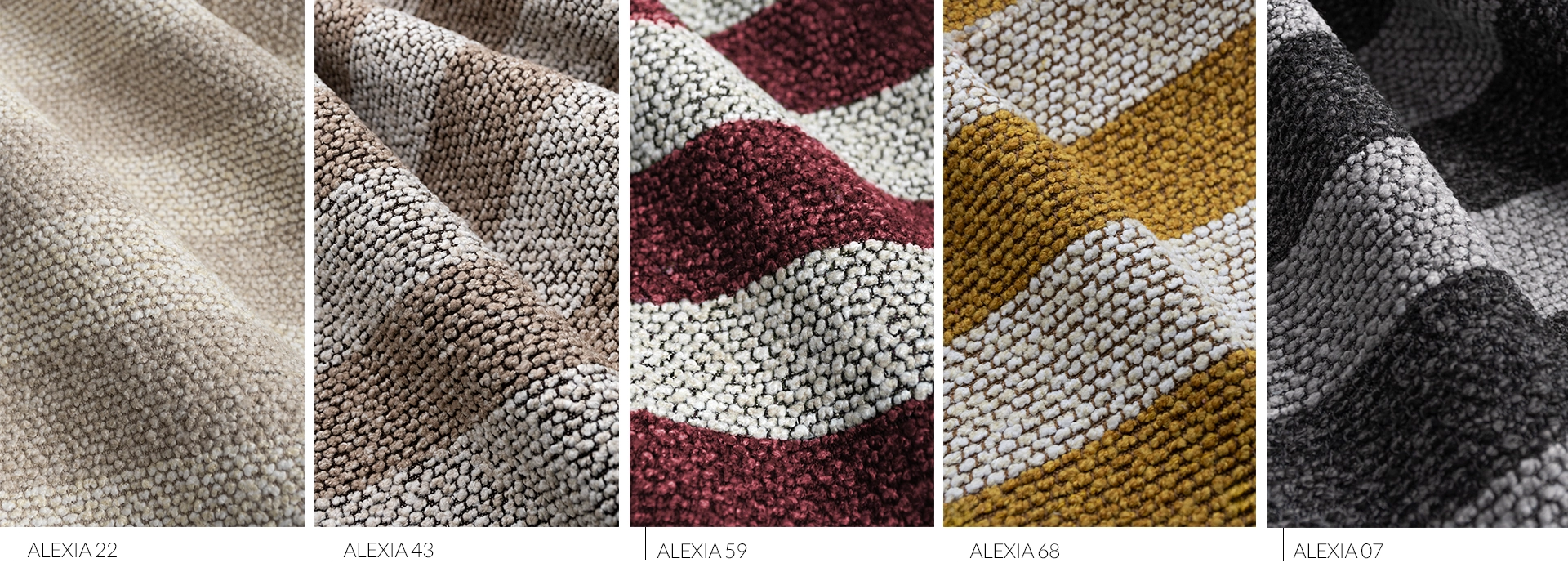
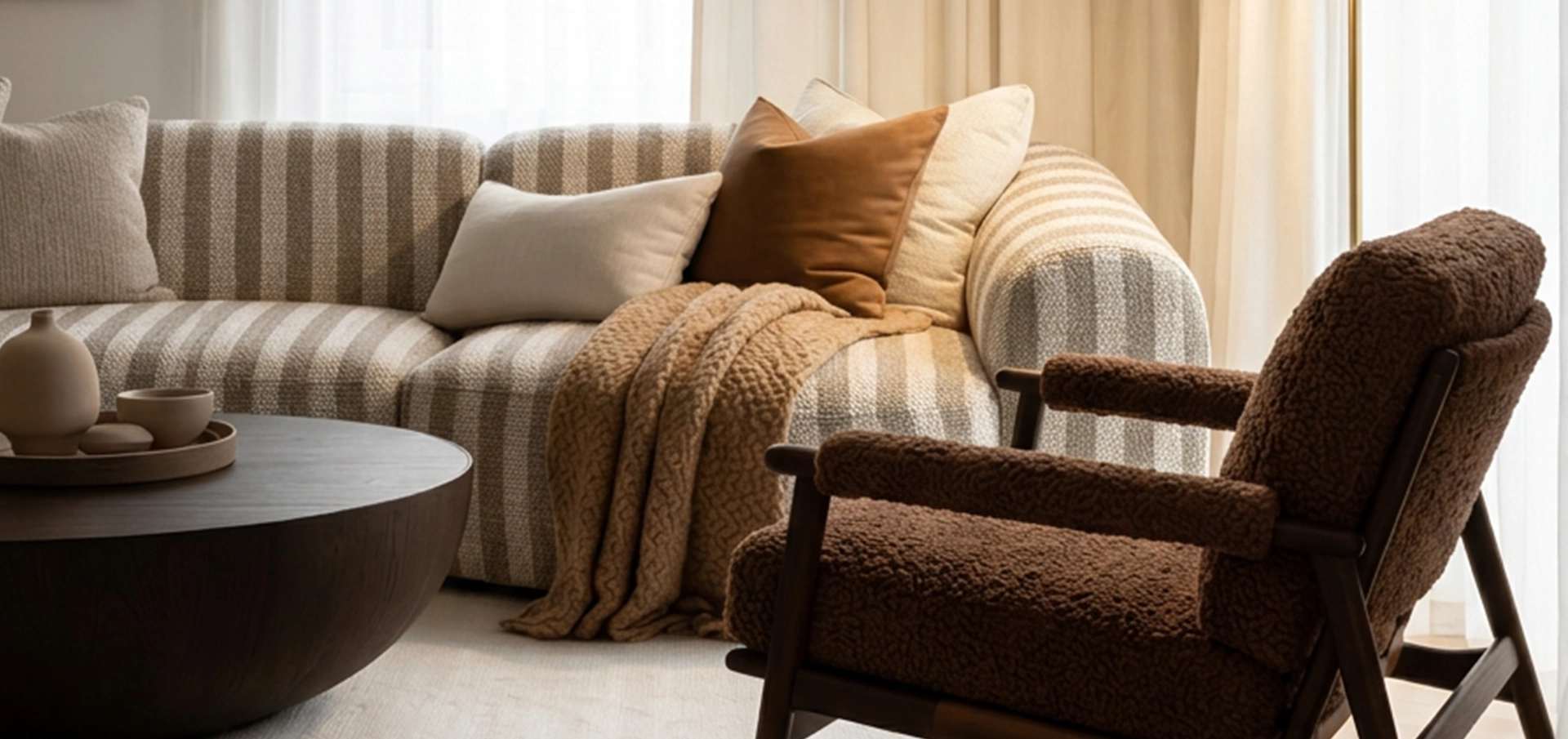
The stripe motif has long been associated with outdoor spaces. Awnings, sun loungers and terrace textiles have naturally embraced this pattern, as stripes are practically woven into the very philosophy of outdoor living. Today, this trend is taking a new direction. Stripes are making their way back indoors, but in a more understated form. As Homes & Gardens points out, when used in upholstery or accessories, they “introduce rhythm and personality while remaining timeless”. The key lies in how they are used: a calm colour palette, soft tonal transitions and a scale that complements the form of the furniture.
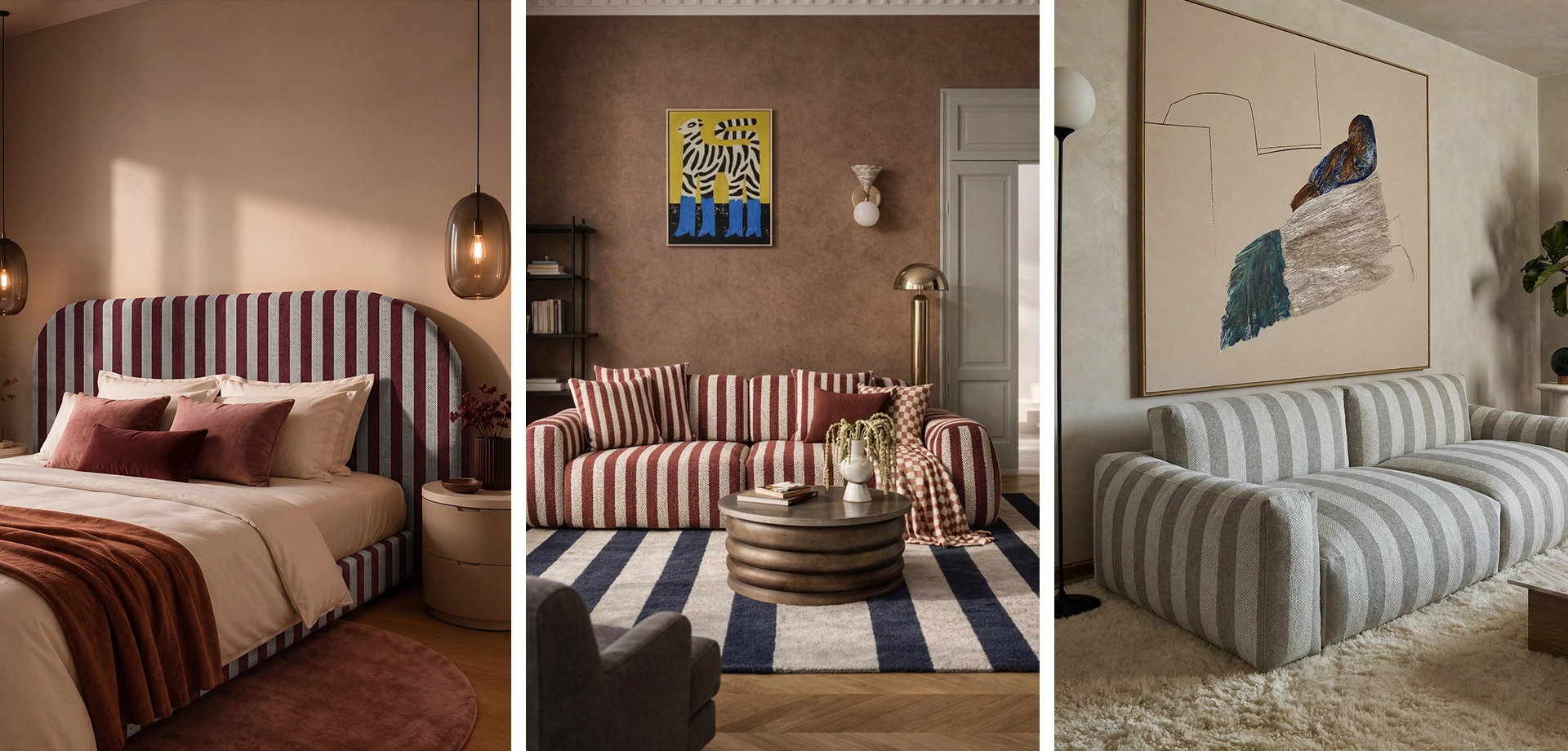
The most interesting possibilities emerge when these materials work together across both the living room and the terrace. In this setting, Amalia and Alexia create a natural transition between indoor and outdoor spaces. The interior can remain more understated, defined by Amalia’s texture and calm colour palette, while Alexia introduces more rhythm to the terrace. Its stripes bring lightness and energy without disrupting the overall harmony of the design.
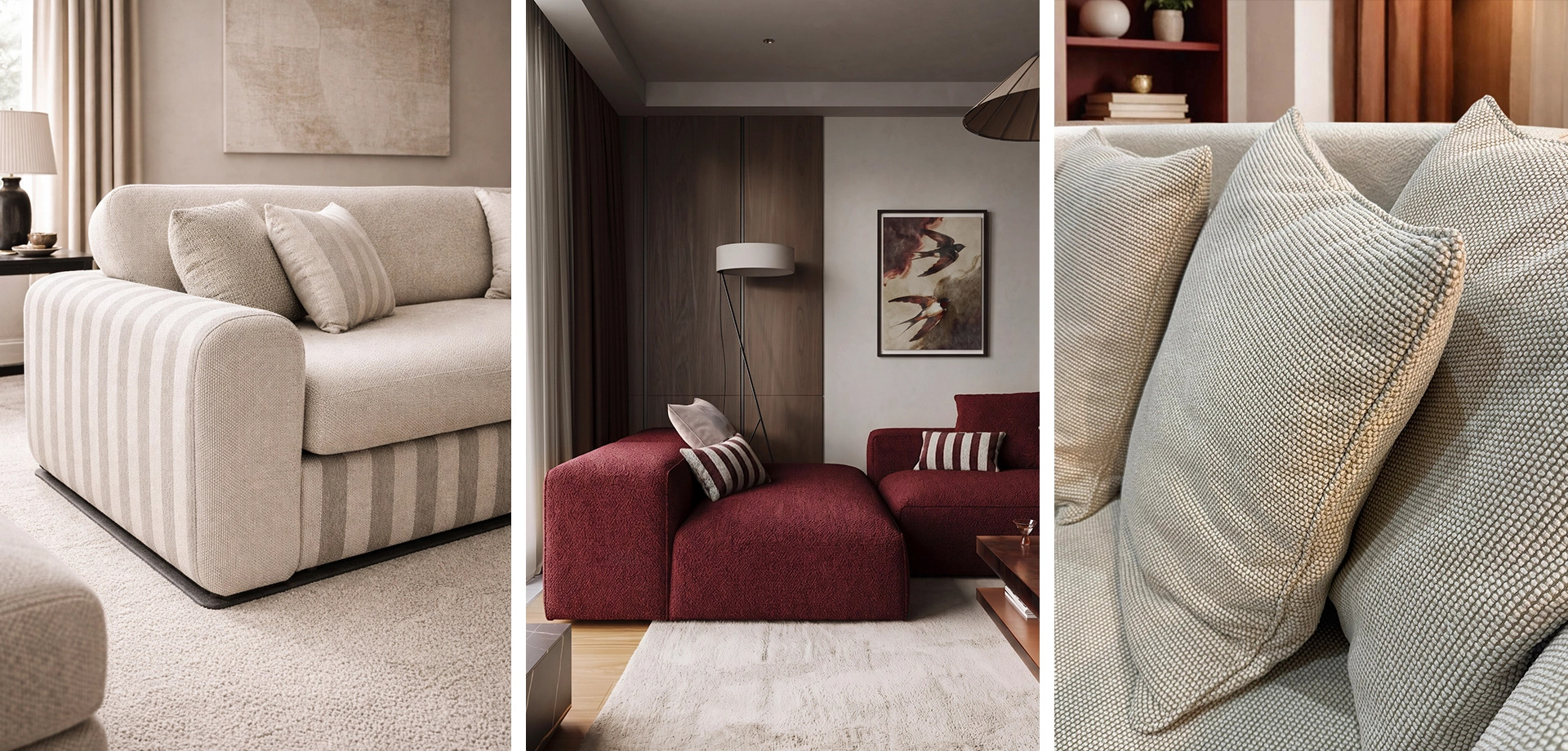
This relationship can just as easily be reversed. A single striped piece of furniture in the living room, complemented by plain upholstery, with the same aesthetic repeated on a larger scale outdoors. This creates a sense of continuity that is felt rather than seen.
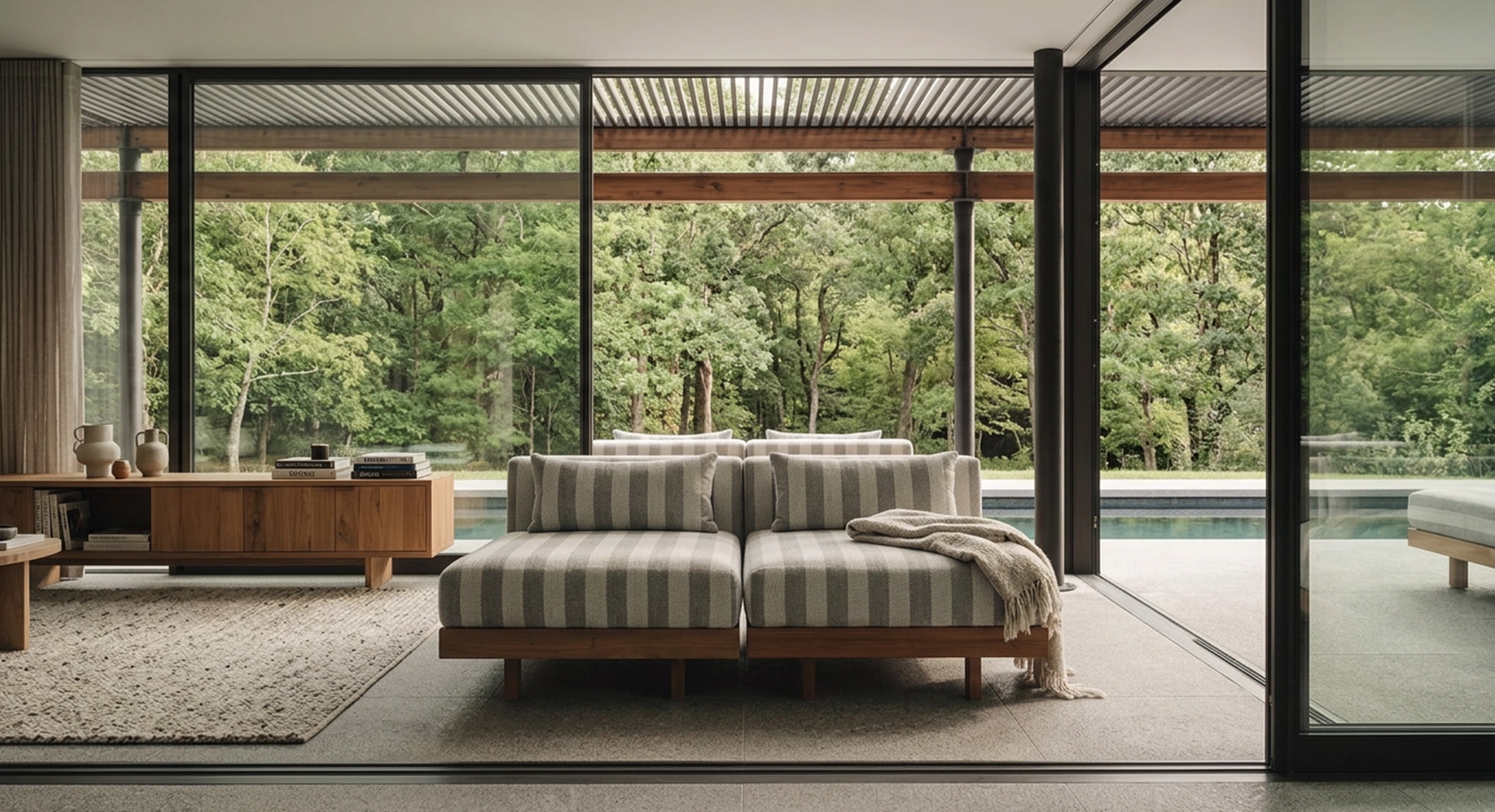
The result is a space that does not need to be redefined with the changing seasons. There is no need to put furniture away or replace elements when summer comes to an end. The space remains functional throughout the year, adapting to changes in light, temperature and the way it is used, while maintaining its overall harmony.
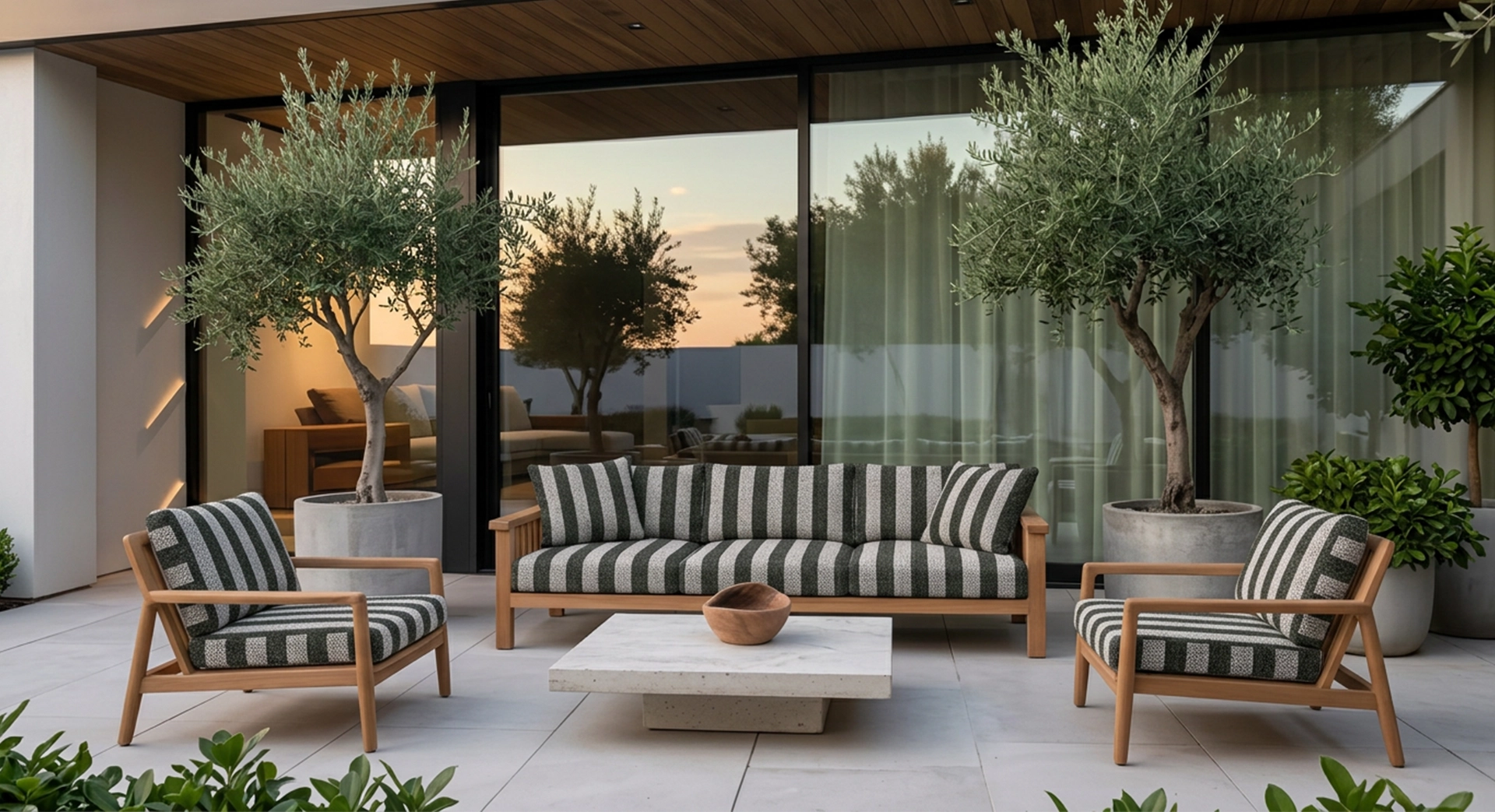
It is precisely this balance between softness and durability that defines the essence of hybrid fabrics. They are designed to withstand the demands of everyday life while retaining the look and feel of fabrics traditionally reserved for interiors.
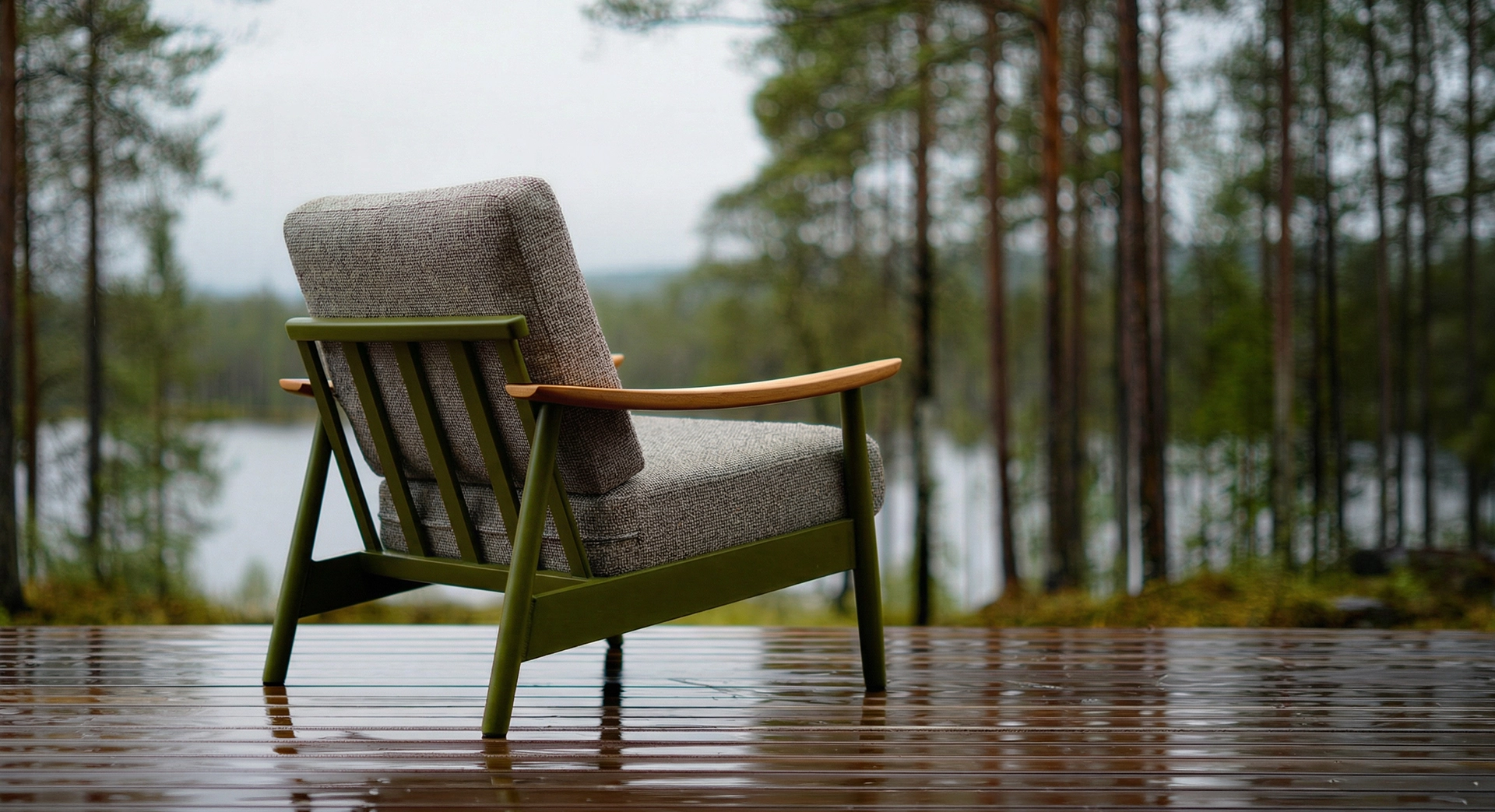
Discover how to create a cohesive space from the living room to the terrace.
Explore FABB collections, compare their textures and colours, and order a hanger to experience the materials up close.