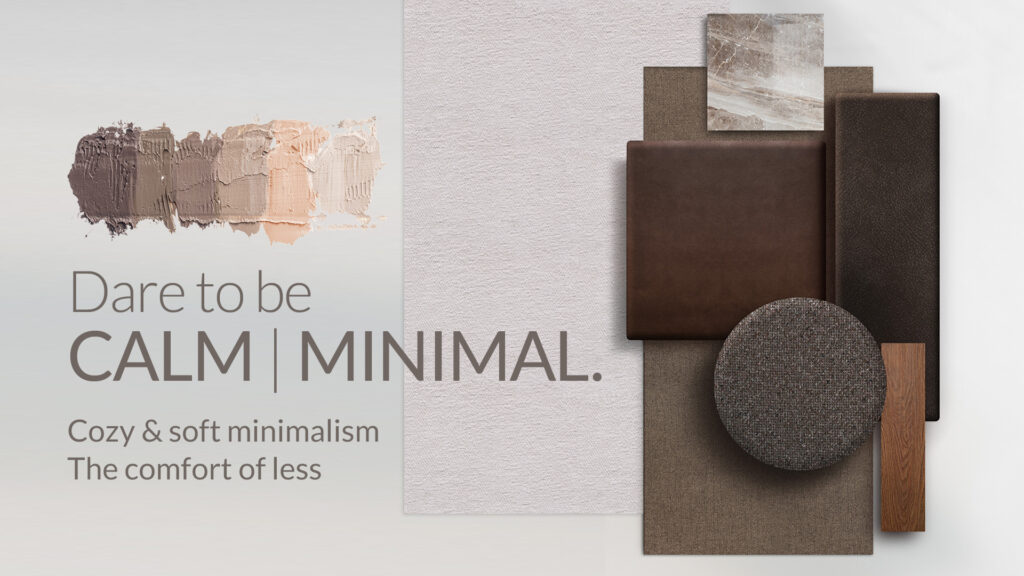
DARE TO BE CALM | MINIMAL: Cozy & soft minimalism. The comfort of less
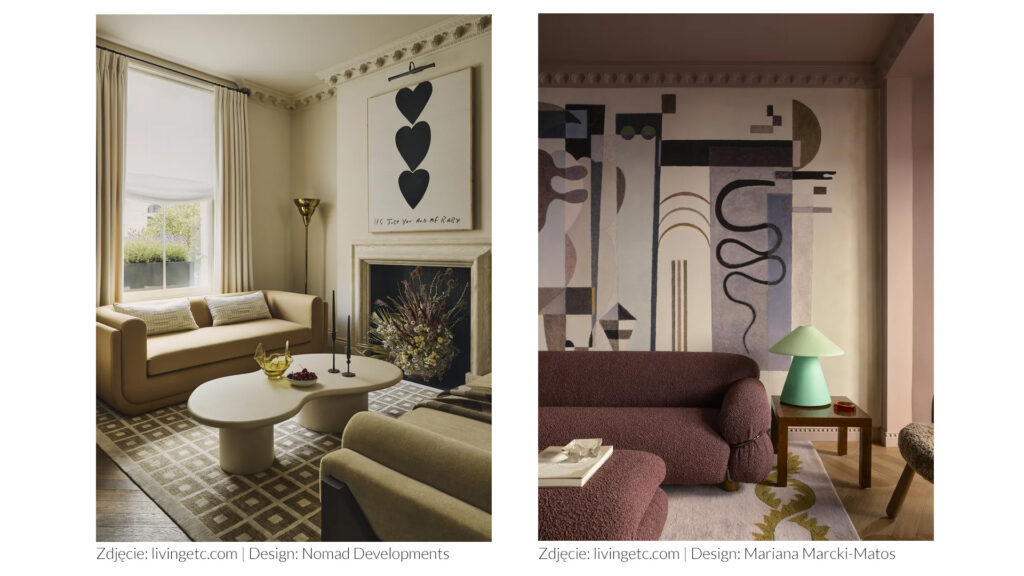
Just a few years ago, minimalism was synonymous with discipline. Raw forms, cool palettes, perfectly smooth surfaces, and interiors that were more to be admired than truly lived in.
Today, this aesthetic is clearly shifting toward softer, more organic solutions and a design approach that plays a therapeutic role.
Soft minimalism 2026 does not abandon simplicity — it gives it a more everyday, intimate tone, rooted in touch, layering, and material comfort. As Livingetc (1/2026) aptly notes, “minimalism isn’t disappearing — it’s softening.”
Jane Boddy, Creative Director at Pantone, described it best through the example of the Color of the Year, Cloud Dancer. What we are observing in minimalist interior design is a cozier, more natural evolution of the beige trend.
“Warm minimalism is a more human interpretation of minimalism,” Jane explains.
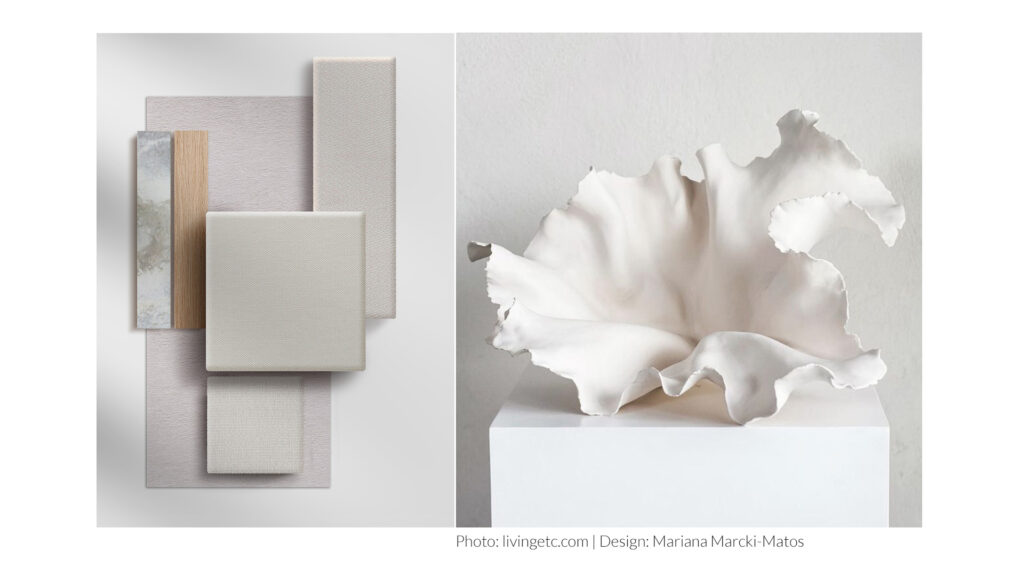
“Instead of stripping spaces back to the point where they feel empty or impersonal, it focuses on creating environments that are thoughtful, calm, and supportive. The result is clarity without harshness — a minimalism that offers a sense of comfort, groundedness, and authenticity.”
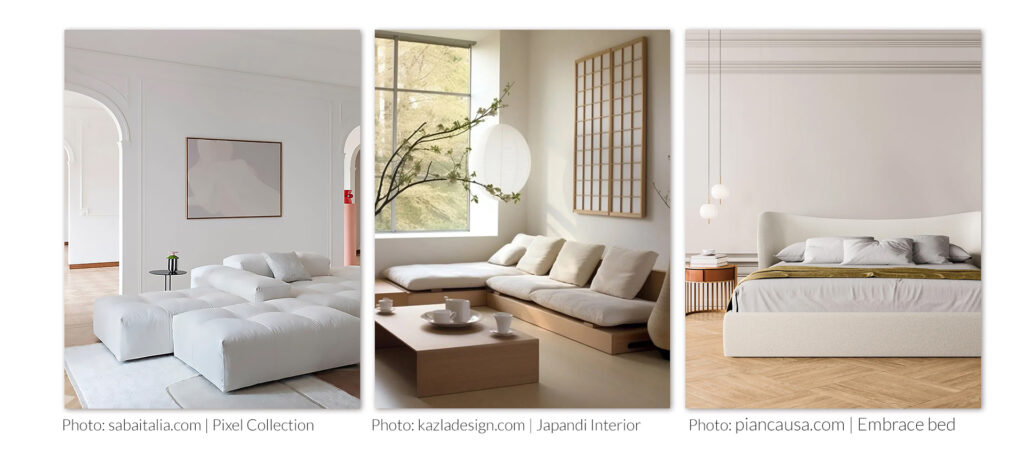
From discipline to connection. What makes soft minimalism different from “pure” minimalism?
The minimalism of the previous decade was a cool, emotionally restrained aesthetic of control. The soft version is an aesthetic of relationships — between people and space, light and texture, furniture and object. It still avoids visual overload and excessive detail, yet it embraces muted earth tones and highlights timeless pieces that build an emotional connection with the user.
Interiors are no longer sterile. Instead of perfectly smooth walls, monochromatic whites, and sharp contrasts, we see subtle tonal transitions, textured surfaces, and fabrics that interact with light — while offering a tactile, sensory experience.
Materials as the foundation of atmosphere
When creating a calm, minimalist space, it’s worth choosing wood with a pronounced grain — not sealed under a heavy lacquer, but protected with a transparent oil finish. Great examples include walnut, oak, and ash, which offer visually appealing tones and textures.
Instead of chrome, satin finishes, brushed brass, or warm-toned aluminum come forward. Metal becomes a backdrop — a structure, a detail — never the dominant element.
Fabrics: the soft architecture of the interior
In soft minimalism, fabrics take on the role that form once held. They are what shape the atmosphere.
DIVO – light, softness, relief
Divo fits perfectly into the soft minimalism aesthetic through its relief-like, light-responsive texture. The subtle interplay of light ensures that the furniture’s silhouette never feels flat or static.
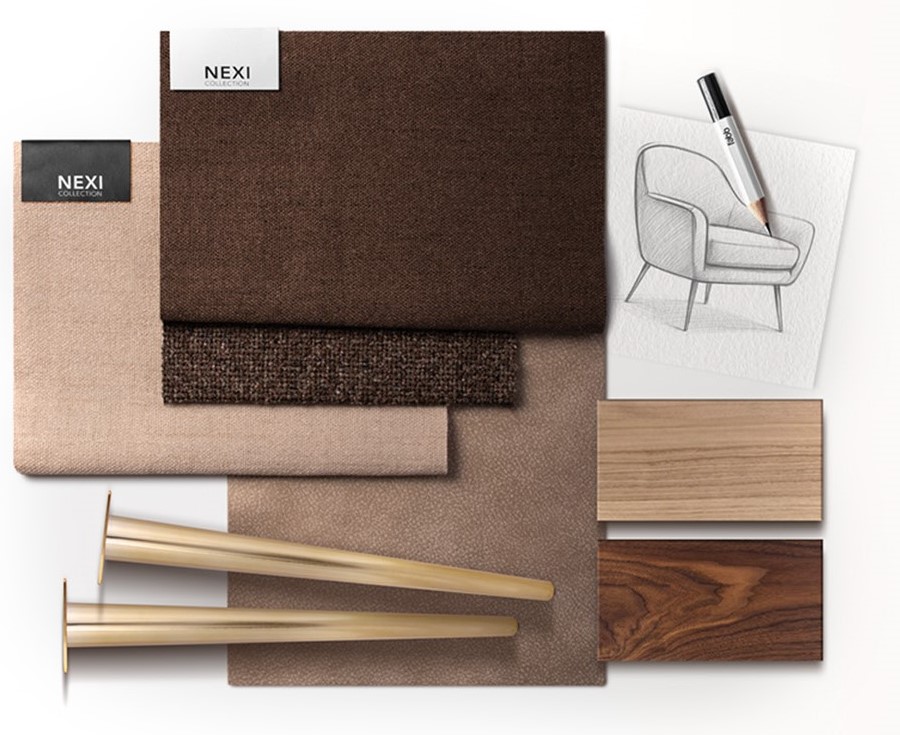
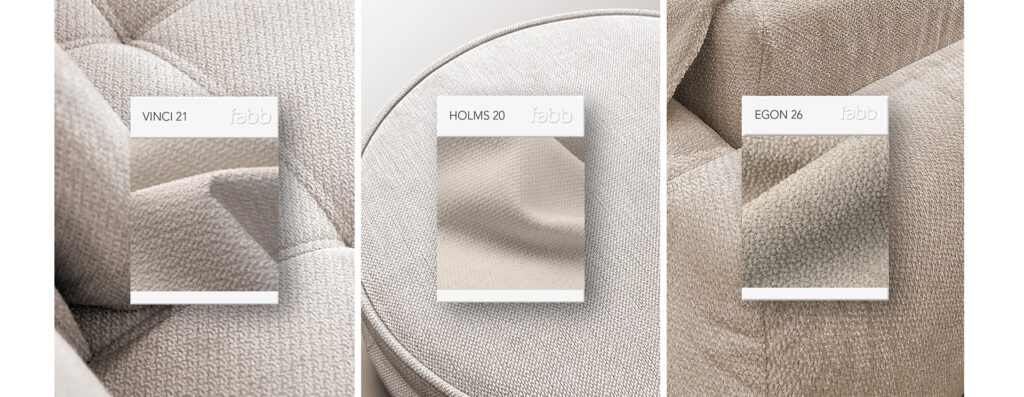
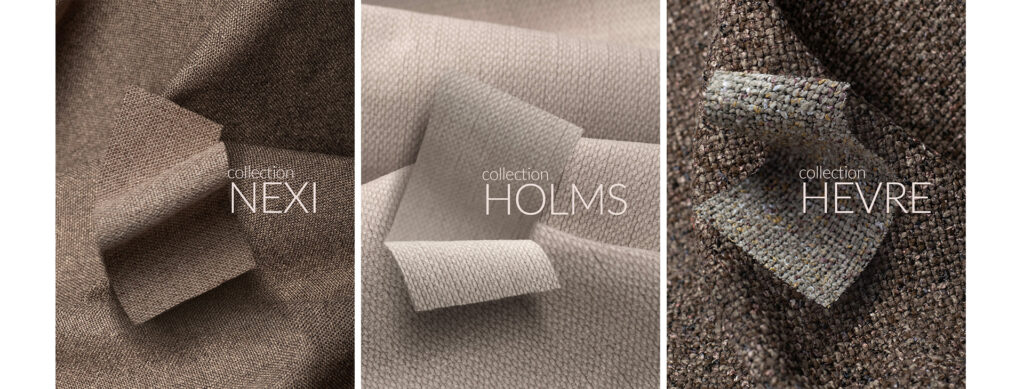
NEXI, HEROY, LINS – structure inspired by nature
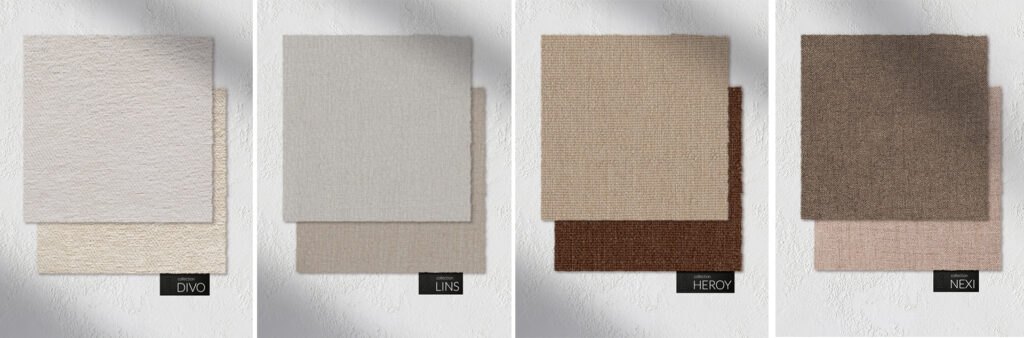
These collections draw on the aesthetics of canvas, linen, and raw natural textiles. Their strength lies in the regularity of the weave and a matte finish. Importantly, they feel exceptionally soft to the touch — without the roughness typically associated with canvas. They are true foundational fabrics: calm, timeless, and highly design-driven.
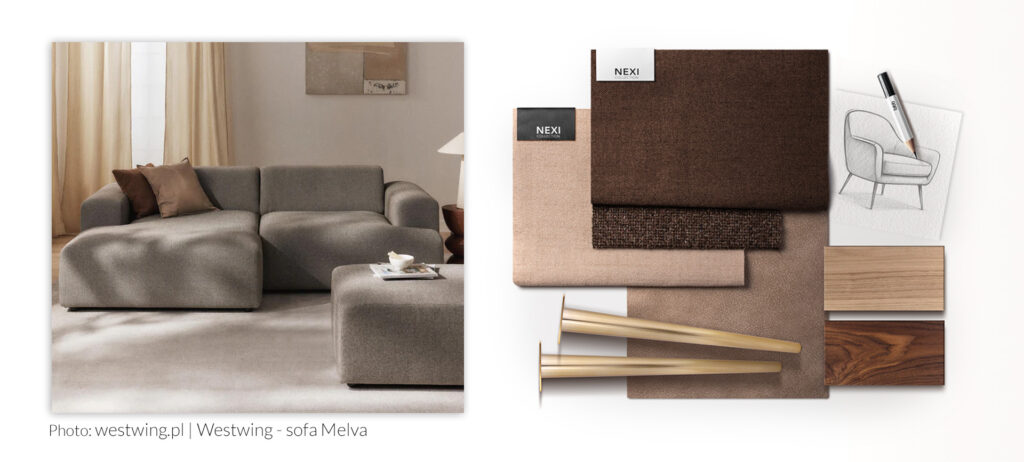
Layering: Vito, Lapit, Sven, Picasso and Lapit — cozy minimalism
Cozy minimalism embraces everything that feels warm, comfortable, and softens the rawness of a space. A throw casually draped over a sofa, a soft cushion, an accent armchair in a plush fabric.
As finishing touches, Vito, Lapit, or Sven work beautifully in this role.
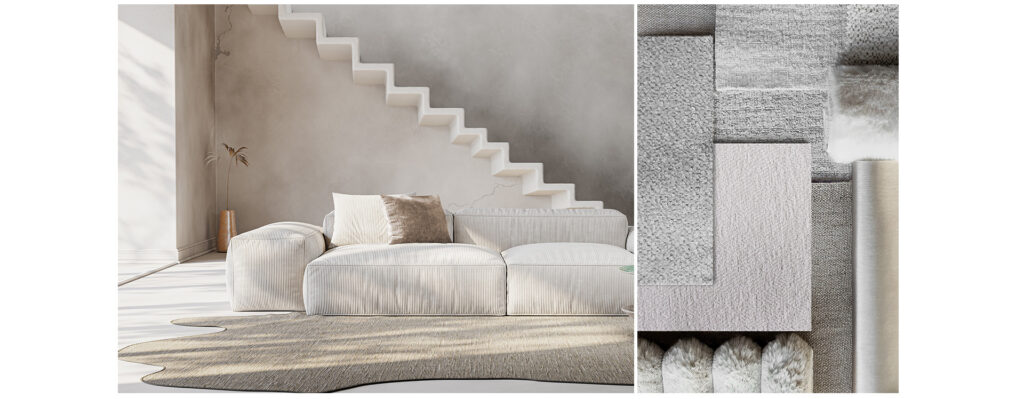
Therapeutic colors
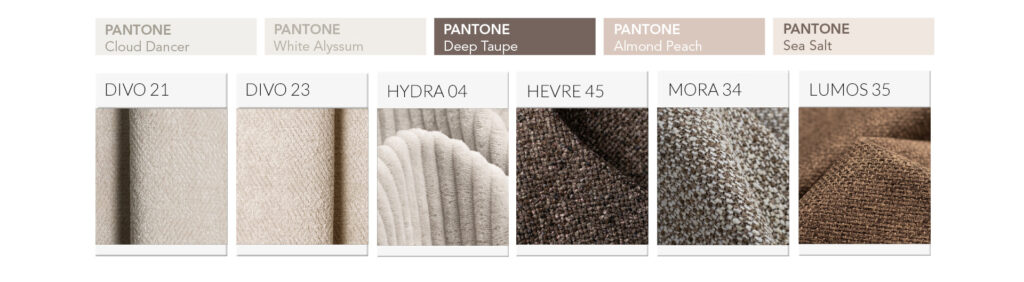
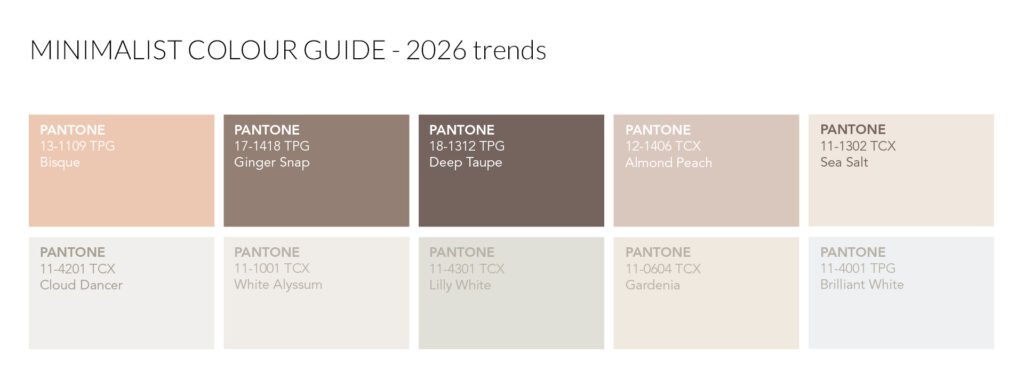
Soft minimalism embraces the Dare to be Calm palette — off-whites (cloud tones), warm beiges, and soft, earthy pastels. Color is not meant to attract attention. It serves as a backdrop for material and light. Black and deep graphite appear only in a structural role — in details, frames, or furniture bases.
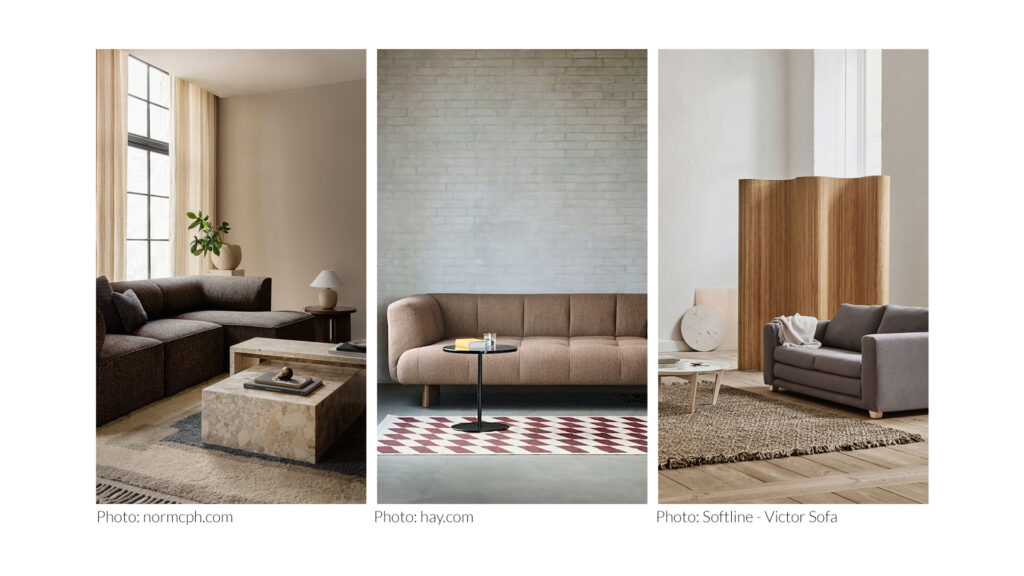
Cozy minimalism leans into the palette associated with Dare to be Minimal, but with a stronger dark chocolate accent that adds depth and a more defined character.
Grounded, warm browns with hints of terracotta wrap the interior in comfort while still maintaining subtlety and calm..
A balanced space as a cultural shift.
Soft minimalism 2026 is not a seasonal trend. It is a response to fatigue from excess — of stimuli, images, and constant narratives. Interiors stop being a manifesto of style and become spaces of regeneration.
Within this aesthetic, FABB fabrics are not an addition to the project — they are an integral part of it. They build layers, soften forms, and give rhythm and temperature to the interior. Exactly at the point where minimalism stops being an idea and begins to be an experience.