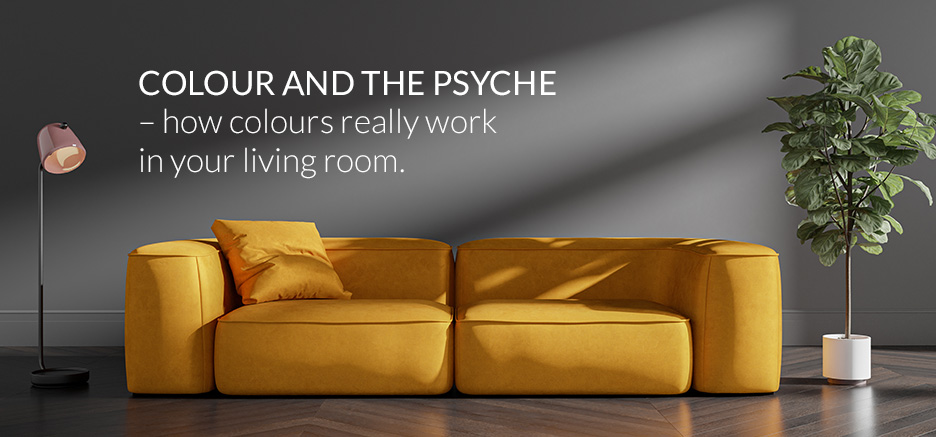
Colour is not neutral.
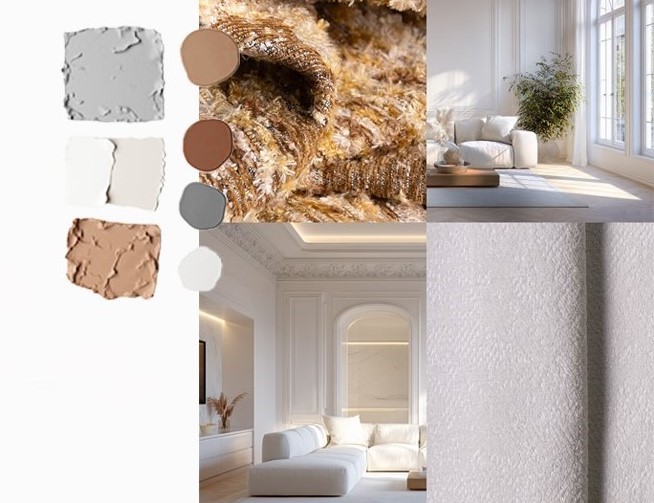
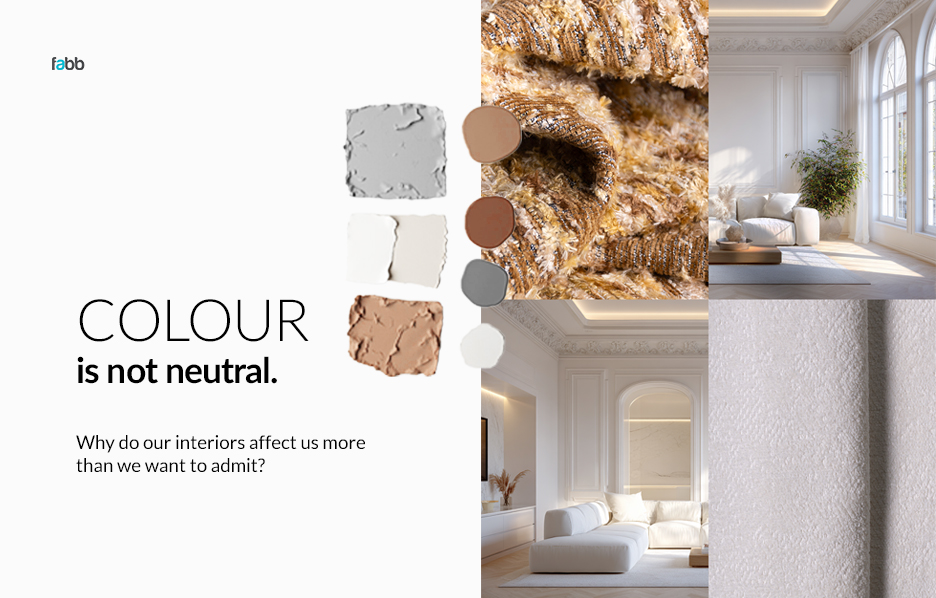
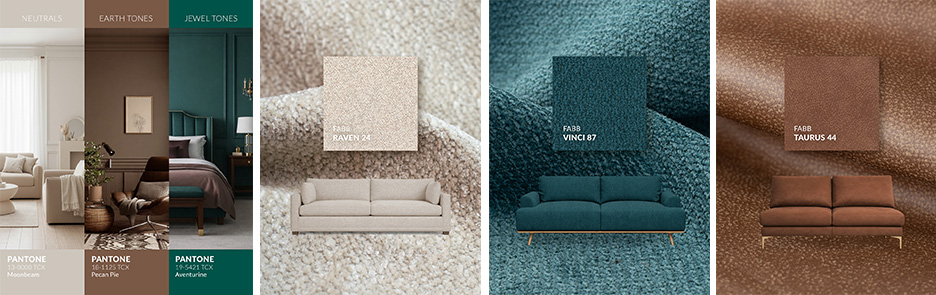
For years, interior designers have repeated one almost mantra-like belief — that light, neutral colors are safe and timeless. Beige, white, greige. But what if those very “safe” choices are actually the most harmful for us?
Research in environmental psychology suggests that spaces lacking a clear color stimulus can lead to a state known as sensory underload — a lack of sensory stimulation that may contribute to apathy, reduced concentration, and… a kind of existential boredom within your own home.
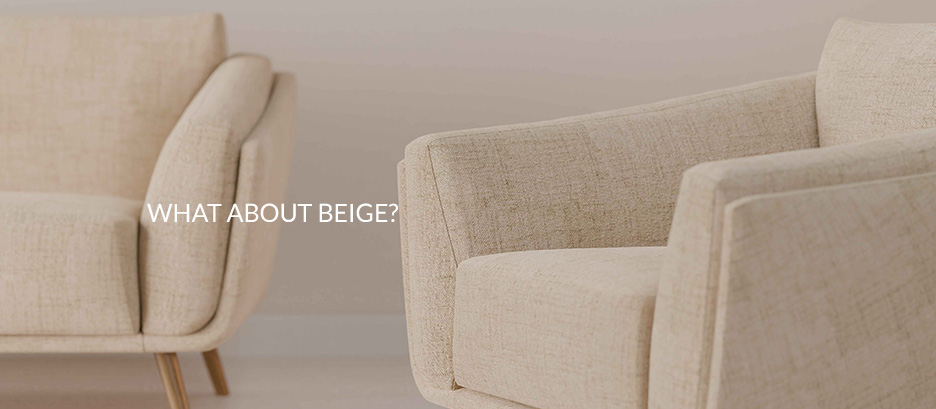
So before you choose another “safe” beige sofa, read this to the end.

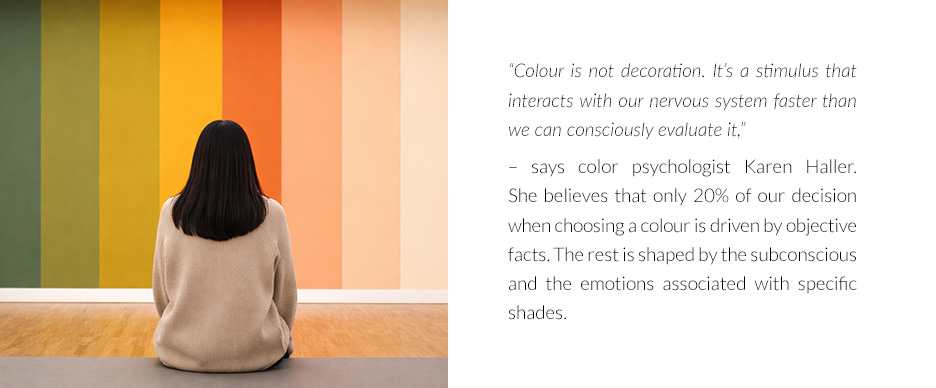
“Colors are seen with the eyes, but the real magic happens in the brain,” says Karen Haller, one of the world’s leading experts in behavioral color psychology and author of The Little Book of Colour. “Once color is processed, it triggers an emotional and physiological response that changes how we feel and how we behave.”
It’s not a metaphor. It’s literal physiology.
Red can genuinely raise blood pressure and increase heart rate. Blue lowers blood pressure and slows breathing. Studies conducted in hospital environments (Ulrich, 2001) showed that patients in rooms with green and blue accents required lower doses of pain medication than those in spaces lacking color or dominated by white.
Your sofa, throw, and curtains are not just decoration. They are, quite literally, a chemical instruction for your nervous system.

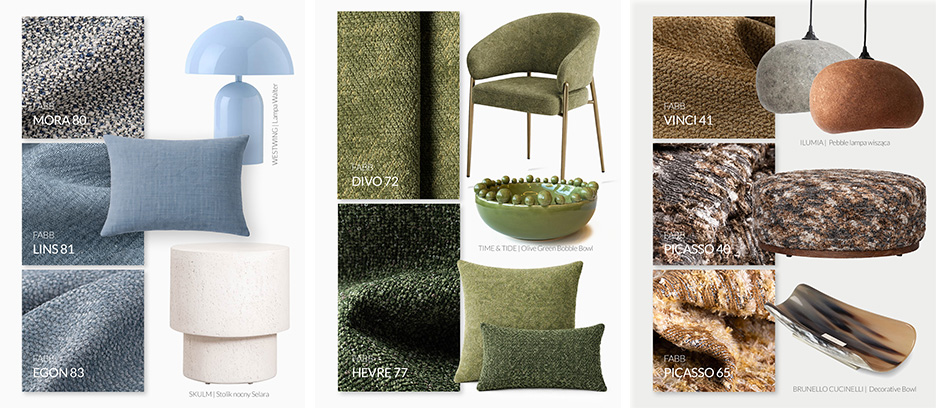
Karen Haller describes this mechanism clearly: people subconsciously choose colors that align with the emotions they currently need or those already dominant in their psyche.
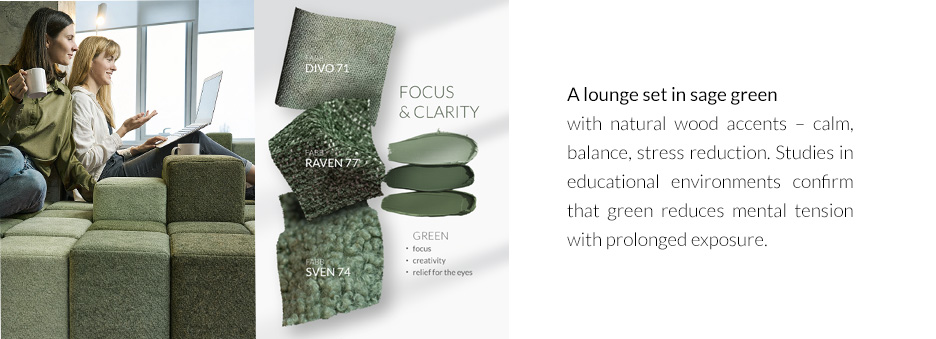
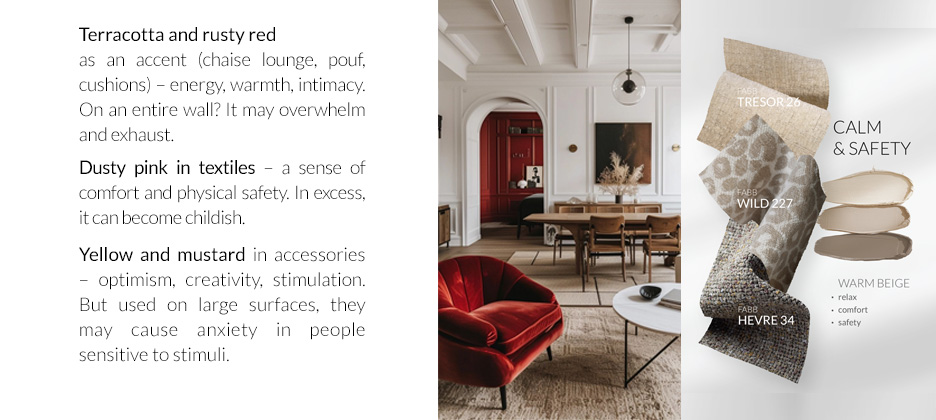
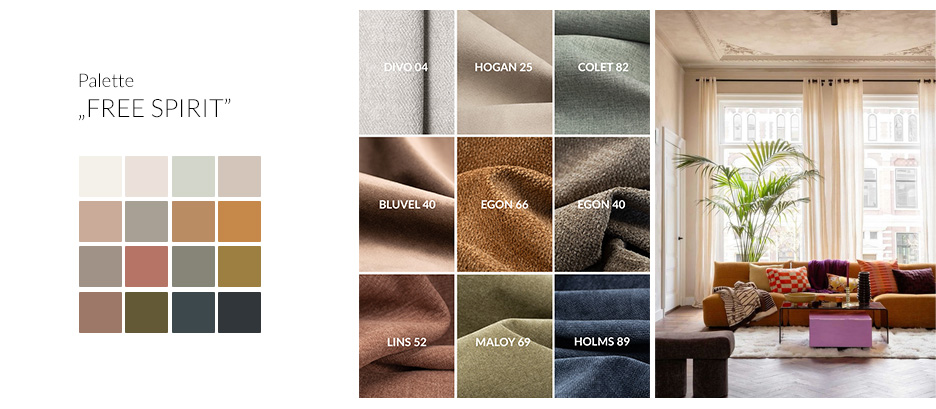
Those in transitional phases, seeking calm, gravitate toward sage greens and warm greys. Those in a more expansive, creative stage of life reach for deep emerald, rusty orange, and ochre yellow.
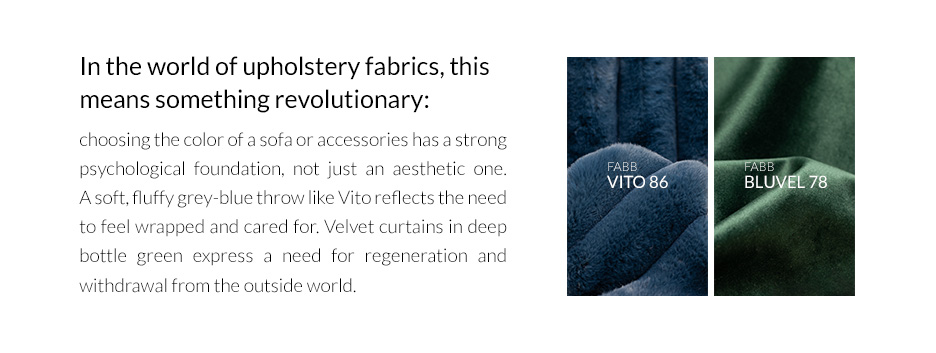
Karen Haller warns: “Every color has both positive and adverse effects. When used in the wrong context or in excess, it can create discomfort, disrupt balance, or influence our thoughts and behavior in unintended ways.”

Here lies one of the biggest secrets of interior design: you don’t have to repaint the walls to change the psychological character of a room. Changing the fabrics is enough.
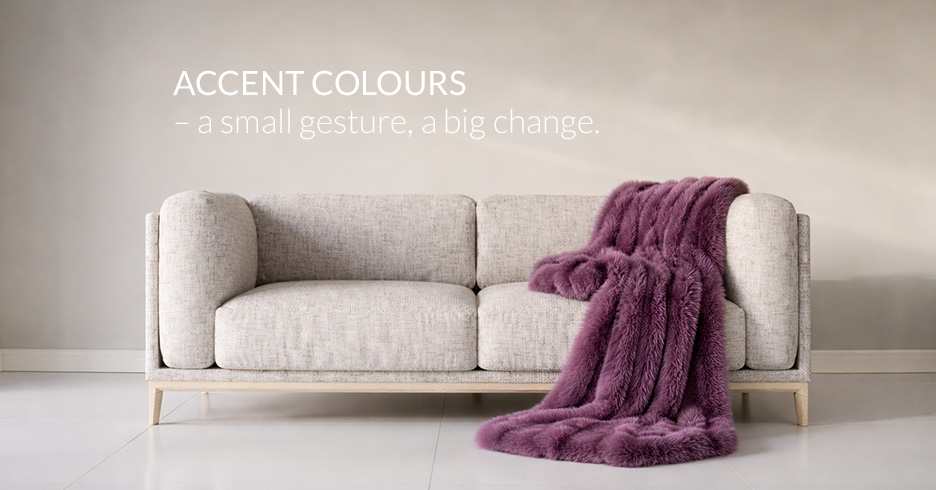
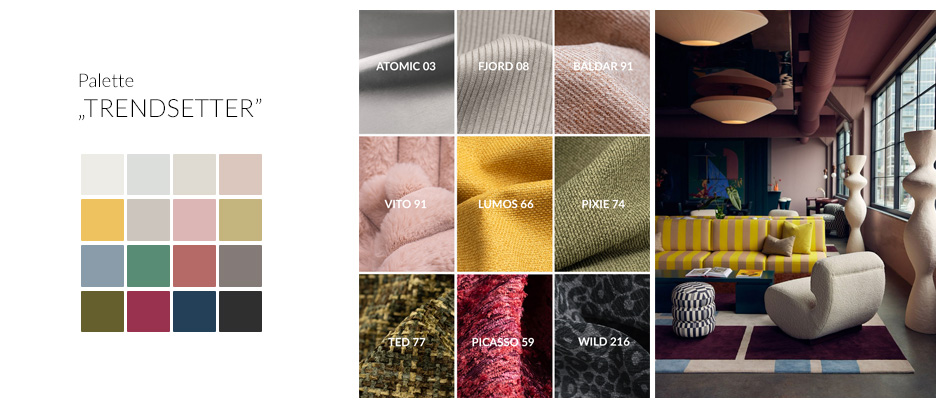
A single velvet throw in deep plum draped over a light grey sofa shifts the energy of a space from “neutral and empty” to “rich and sensual.” Two cushions in warm copper on a white sofa create a visual focal point and add emotional warmth to the interior.
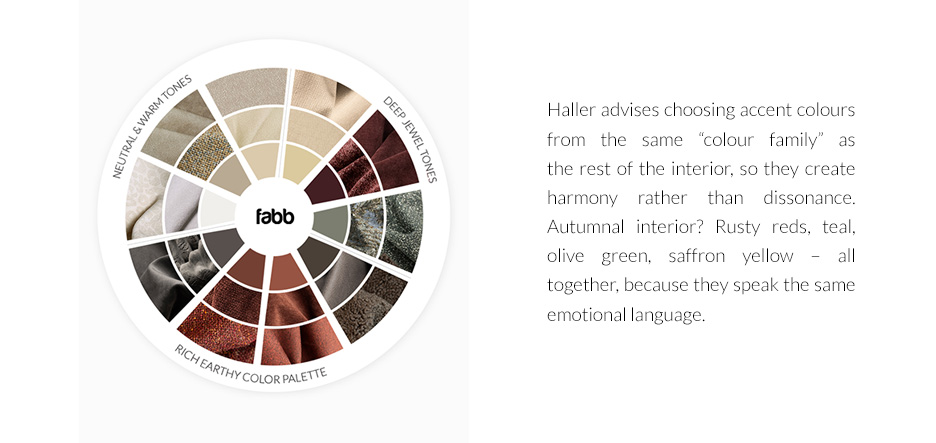
This is what we call an accent color and in interior psychology, it works much like punctuation: it defines the rhythm and tone of the entire sentence.

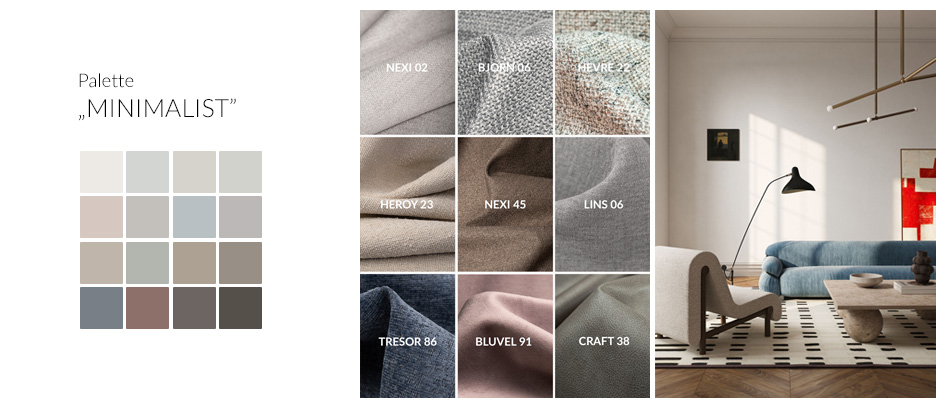
Neutral interiors are not bad.
They become a problem when they’re the only response to a fear of color – when they come not from an aesthetic decision, but from avoidance.
Karen Haller warns that while white can create a sense of calm and space, it can also feel “cold, sterile, emotionally numbing, and isolating.”