
The New Geography of the Global textile Industry is emerging | CIFF 2026
If the first part of CIFF told a story about furniture, modularity, and a new design language, the second takes us deeper – into the material itself. Today, it’s impossible to talk about interior trends without addressing fabrics: their structure, function, origin, and the technologies behind their production.
According to industry data, China remains the world’s largest producer of textiles and apparel, accounting for over 40% of global textile exports. As Messe Frankfurt representatives openly point out, the Chinese textile industry has evolved from volume-based manufacturing into a value-driven player, investing heavily in sustainability, digitalisation, and AI-powered design and production.
Significant public and private investments are now flowing into new fibres, nanotechnology, performance materials, and eco-conscious solutions. It is in Chinese facilities that waterless dyeing technologies are being developed—reducing water consumption by over 90% and nearly eliminating wastewater, as seen in low-pressure waterless dyeing processes by Zhejiang Lyuyu Textile or innovations from Esquel Group. From supercritical CO₂ to advanced dye recycling systems, these processes are increasingly described as breakthrough innovations for the global industry.
In this context, the stereotype of “Chinese factories polluting the planet while the West protects the climate” is becoming increasingly outdated. The fact that most European companies manufacture in China is no longer driven by cost alone. Scale, infrastructure, and technological capacity still matter—but today, capabilities are equally critical: access to specialised facilities, rapid prototyping, production flexibility, and the ability to implement innovations at speed.
Dare to be… in the world of fabrics
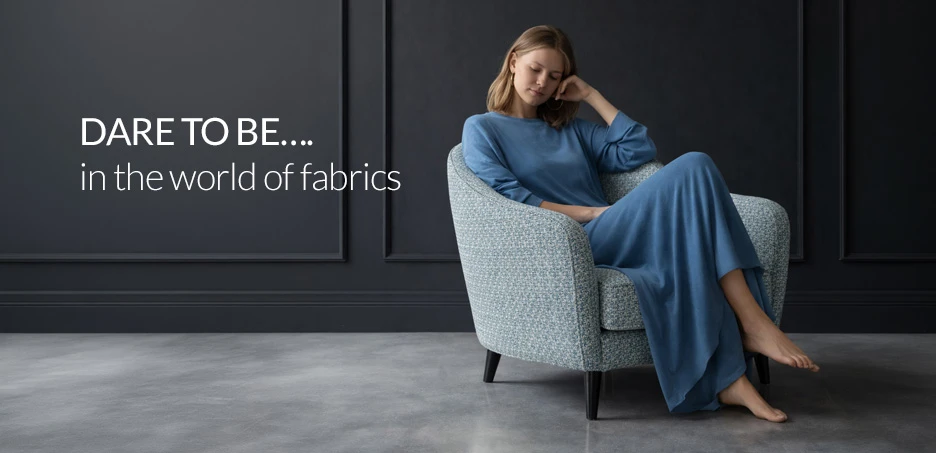
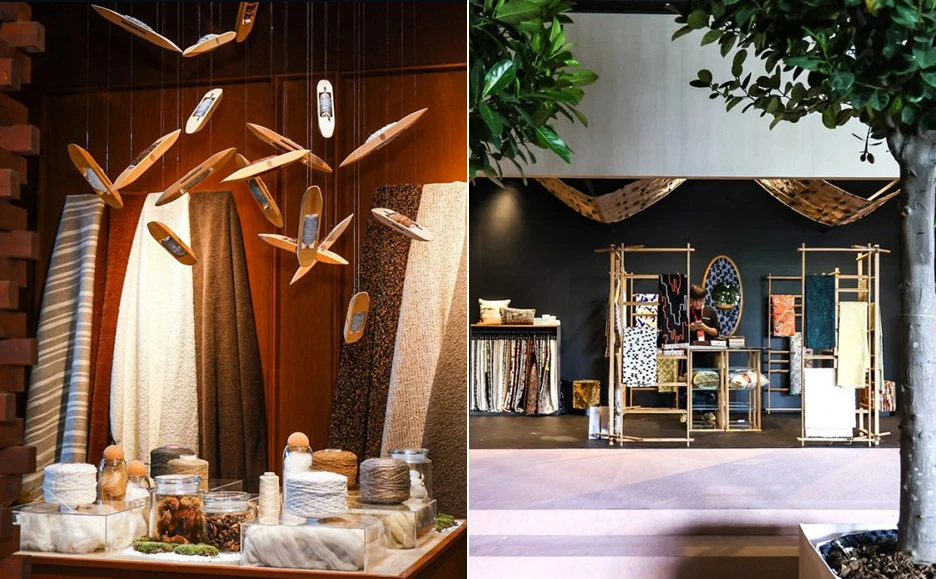
What stands out in fabrics is the Chinese market’s ability to capture micro-trends with remarkable speed. This is visible in the shift from heavy, decorative textures to softer, more tactile surfaces; from cool monochromes to earthy, neutral bases; from classic elegance to more organic, natural-looking materials.
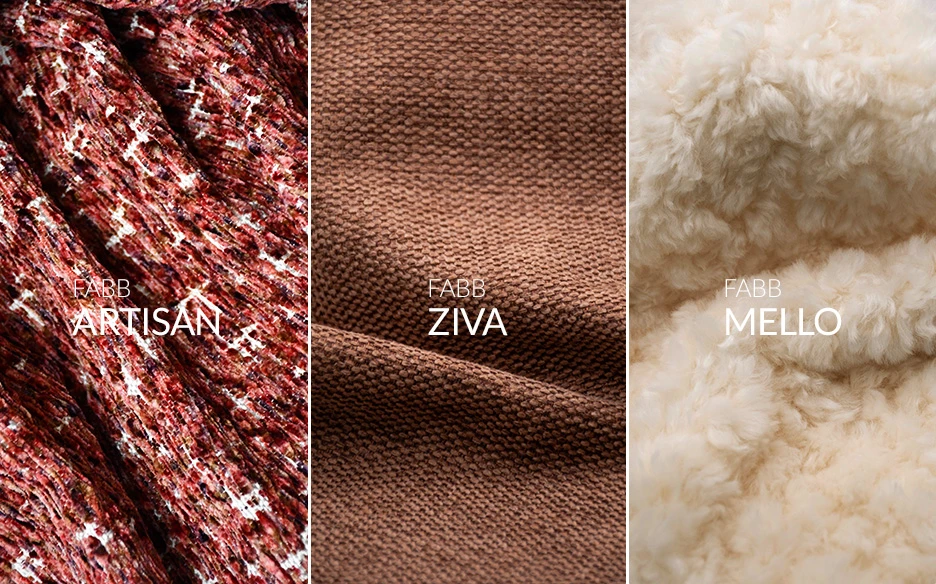
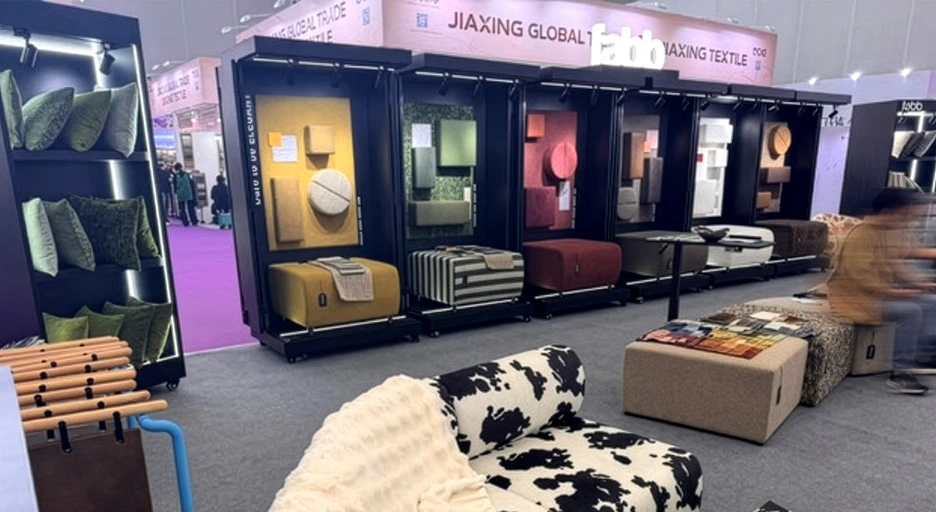
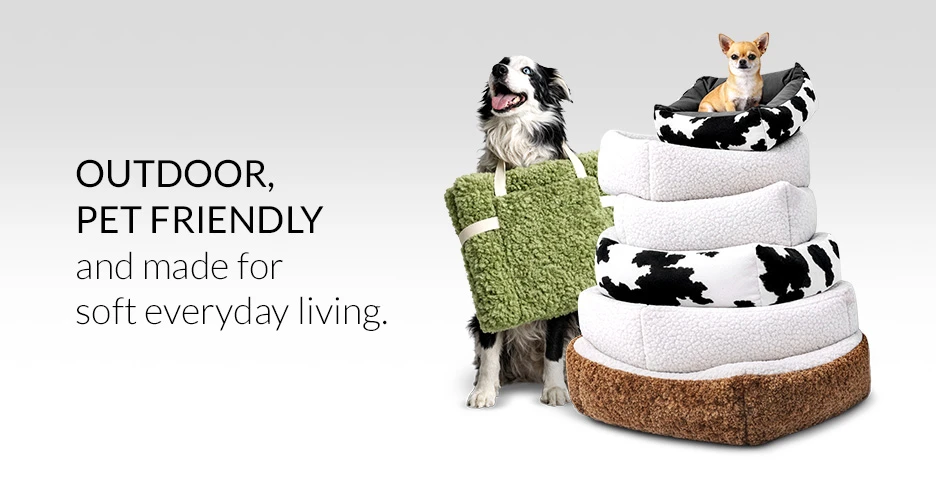
That’s precisely why our new collections resonated so strongly at CIFF. Arden and Artisan respond to the growing demand for natural prints and irregular, light-reactive textures. As a balanced base, Monelli and Ziva allow stronger accents to stand out. Meanwhile, Moo and Mello continue the more playful, pet-friendly direction – aligned with the rapidly growing pet market and the demand for softer, more emotional, home-oriented products.
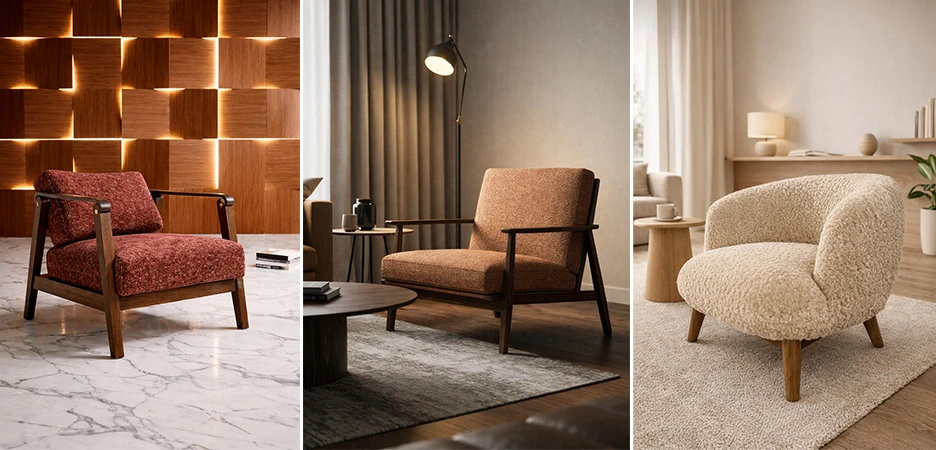
Outdoor, pet-friendly, and soft everyday living
These collections should also be viewed through the broader trends highlighted earlier. Outdoor is no longer a separate category—it is becoming a natural extension of interior design language. This requires fabrics that perform both indoors and outdoors: resistant to moisture, UV, and daily use, while maintaining softness and a refined appearance.
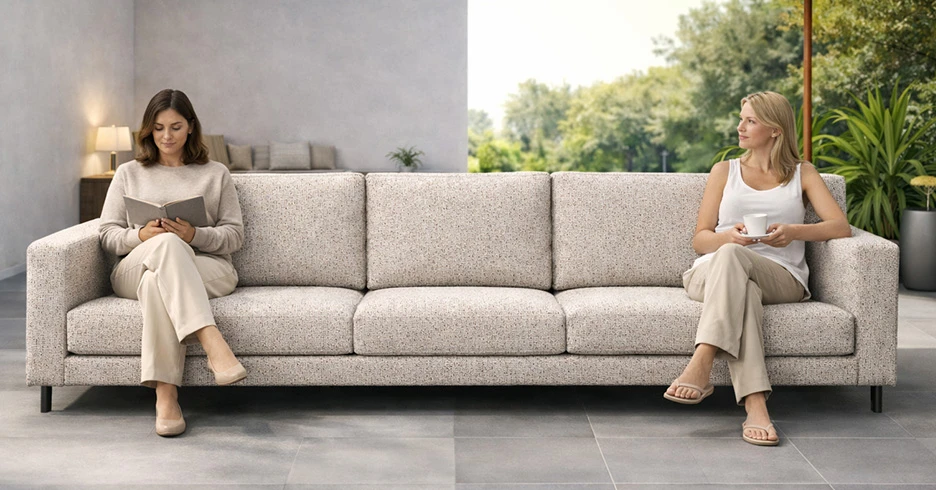
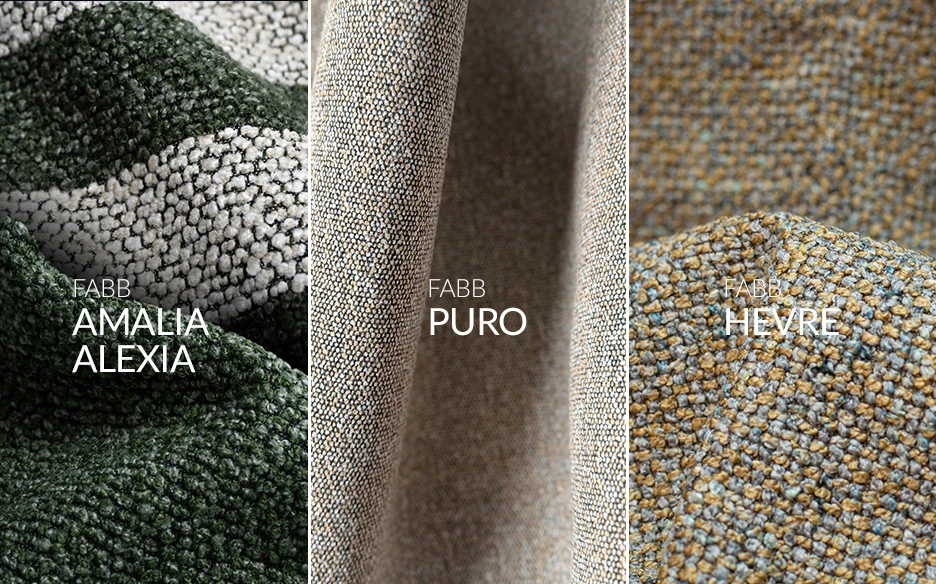
This is where our solutions – Amelia, Alexia, Puro, Mora, and Hevre fit naturally. These are residential fabrics with hydrophobic finishes, developed using waterfree technology and designed for both indoor and outdoor applications. This aligns closely with the current market direction: products must be more flexible, more durable, and more “smart” in use – not just in aesthetics.
A similar shift is visible in the pet-friendly category. Increasingly, fabrics are no longer designed “for interiors” but for real lifestyles: with children, pets, and multifunctional spaces. They must withstand everyday life without losing their visual identity. That’s why the future of this category doesn’t lie in choosing between beauty and performance but in combining both.
Fabrics designed around real lifestyles
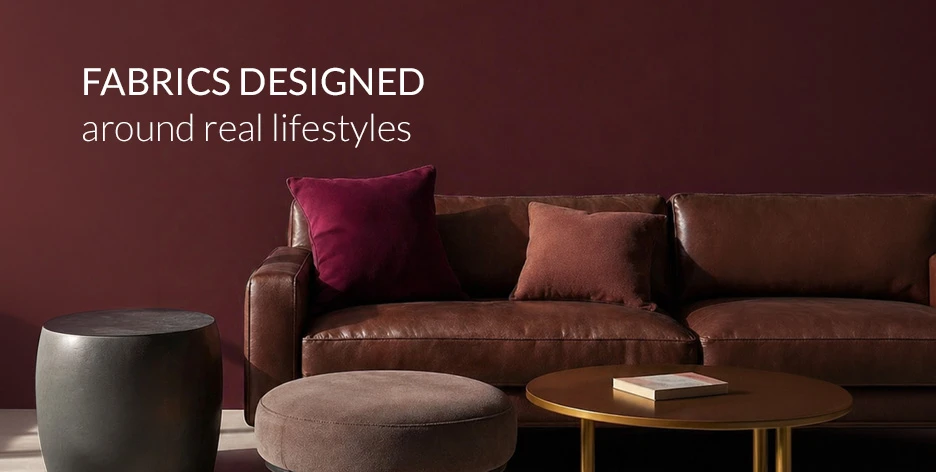
Contemporary fabric is no longer just upholstery material. It is a tool for shaping user experience. It must look good but also perform: protect, breathe, repel water, remain skin-friendly, withstand daily use, and minimise environmental impact.
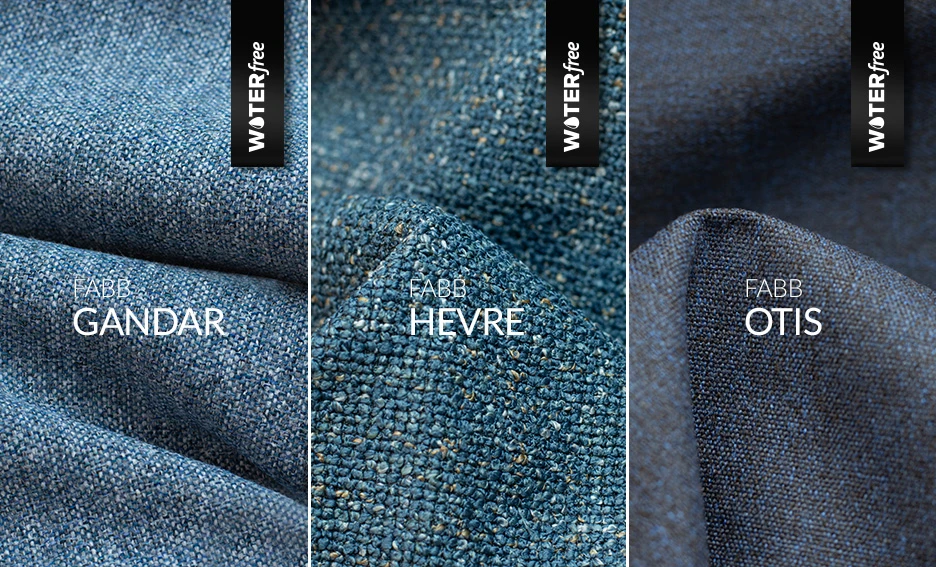
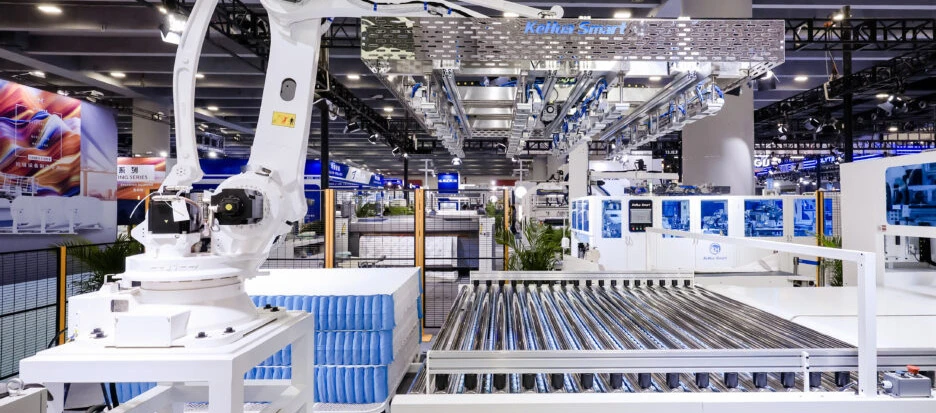
It is in China that we produce fabrics meeting the most rigorous safety standards, including Oeko-Tex certification, while developing waterfree technologies that reduce water consumption and environmental load—aligned with the global innovations described above. Advanced machinery, automated finishing lines, and data-driven quality control – once associated mainly with select European mills are now increasingly standard in modern Chinese production facilities.
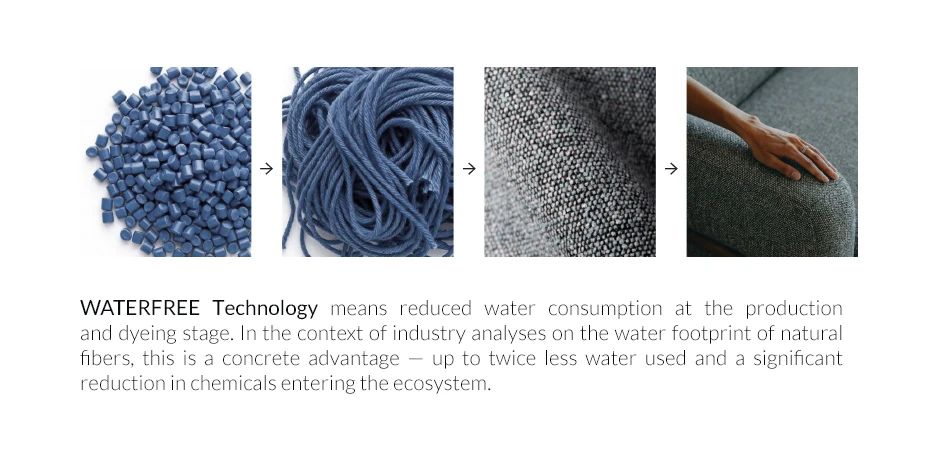
At CIFF 2026, in conversations with furniture manufacturers, designers, and distributors from around the world, discussions are no longer limited to design and cost. They now equally focus on performance and sustainability.
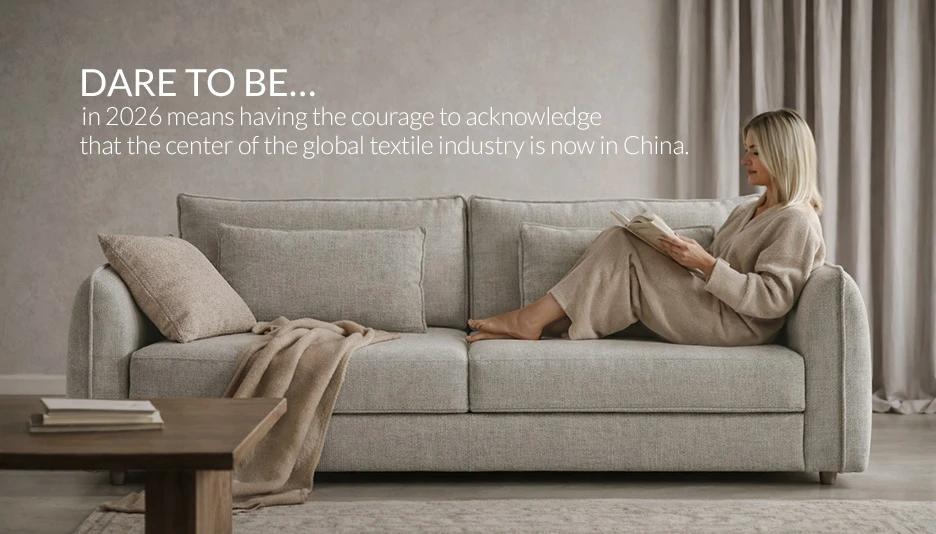
Because in 2026, Dare to be… means having the courage to recognise that the centre of the global textile industry is now in China where design concepts gain a new, technologically advanced dimension.
Photos: ciff-gz.com/en/gallery