
M.O.W. 2026: A Weaker Market, Growing Importance of Exports
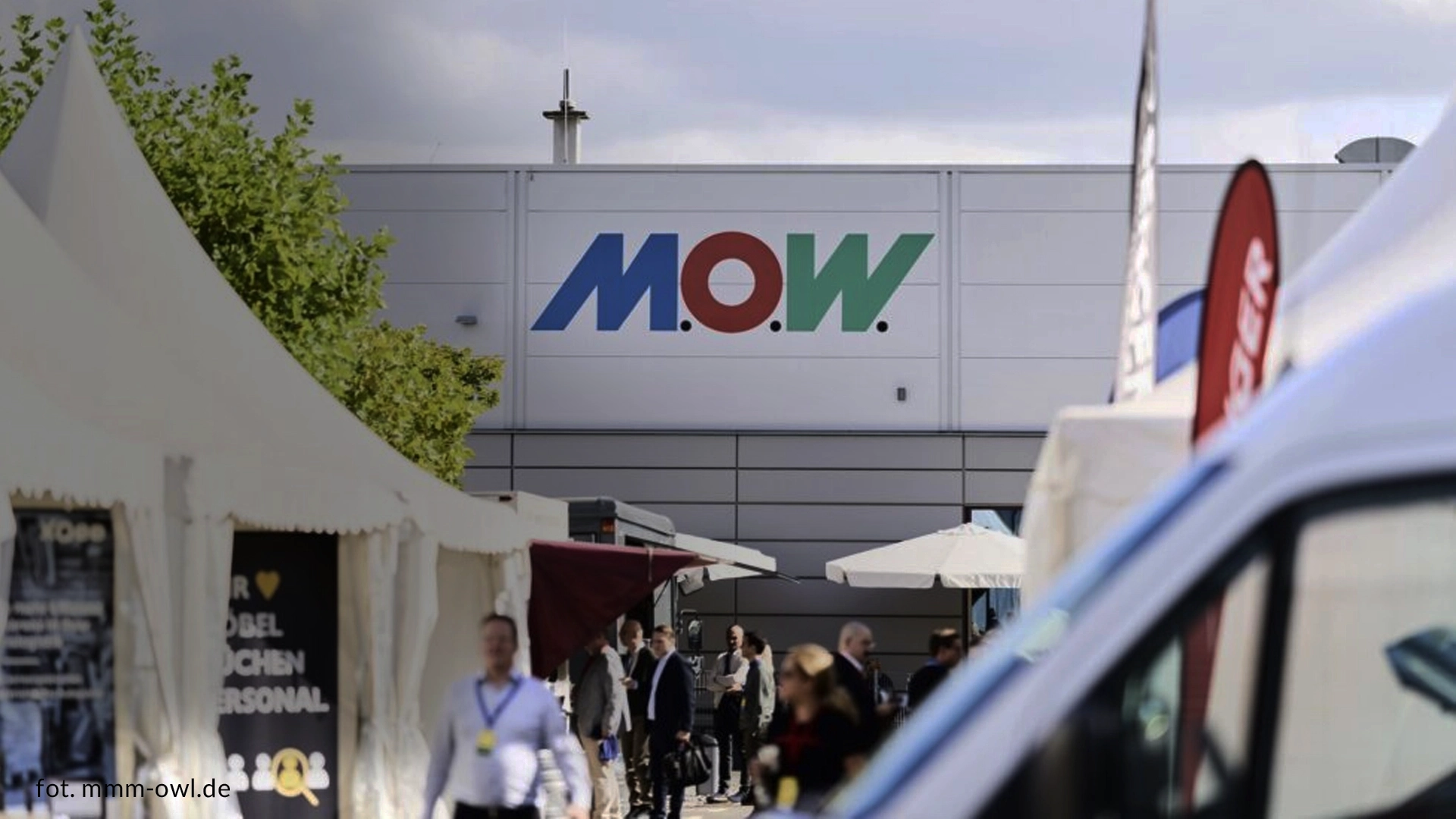
The German furniture industry has had a challenging first half of the year. Sales declined, while demand in the domestic market weakened even further. At the same time, this year’s M.O.W. trade fair in Bad Salzuflen attracted more exhibitors than the previous year and became significantly more international.
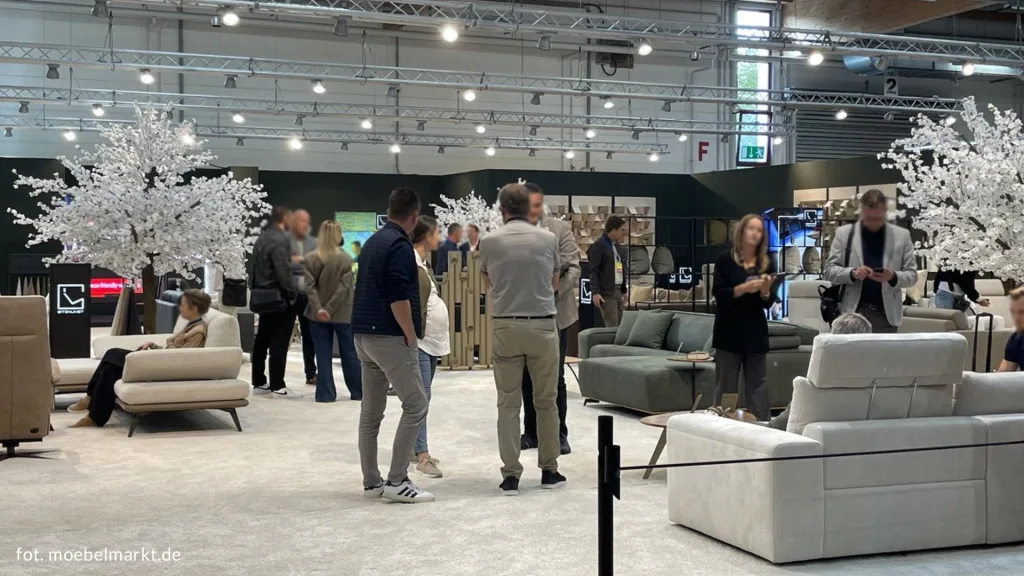
This contrast clearly illustrates what is happening in the European furniture industry today. As domestic sales slow down, exports, new sales markets and cooperation with international partners are becoming increasingly important.
M.O.W. took place from 20 to 24 September 2026. It is primarily a trade fair focused on business deals and orders. Retail chains, furniture retailers, buying groups and manufacturers come together to discuss collections intended for actual market launch and retail sales.
We have gathered the key data published by the organizers and the German trade press, but we are looking at it from a perspective that is particularly important to FABB: what these developments mean for upholstered furniture manufacturers and their suppliers.
M.O.W. 2026 in Numbers
This year’s edition was larger and more international than the previous one.
The fair brought together 620 exhibitors from 52 countries. By comparison, in 2025, there were 558 exhibitors from 39 countries.
45% of trade visitors came from outside Germany. The most strongly represented countries included the Netherlands, Denmark, Belgium, France, Italy, Austria and Switzerland. In total, visitors came from 65 countries.
Among international exhibitors, companies from Poland, Denmark and the Netherlands were particularly prominent.
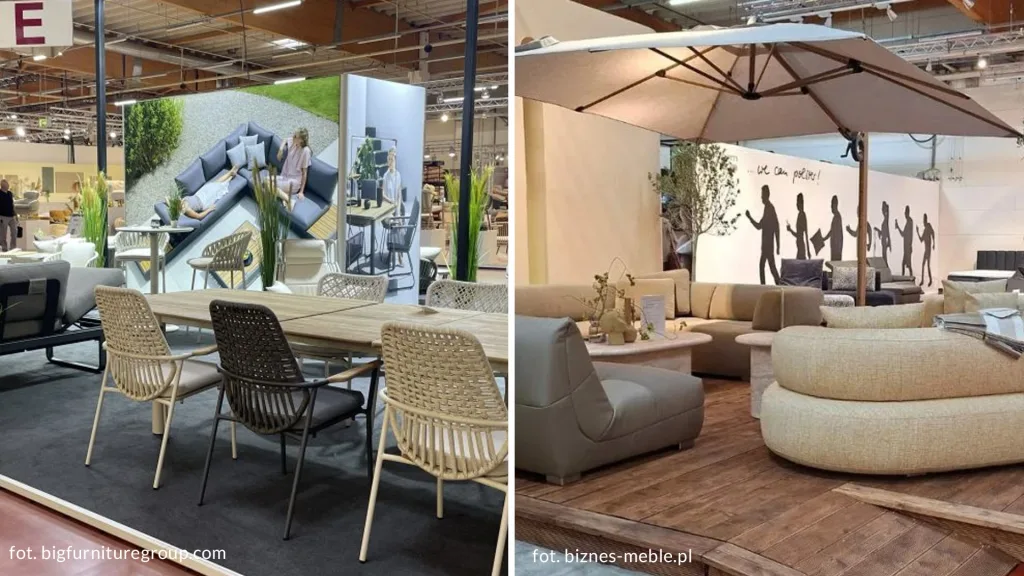
Another new feature was M.O.W. olé, a dedicated outdoor furniture area featuring more than 40 companies.
The most noticeable trend? Modularity.
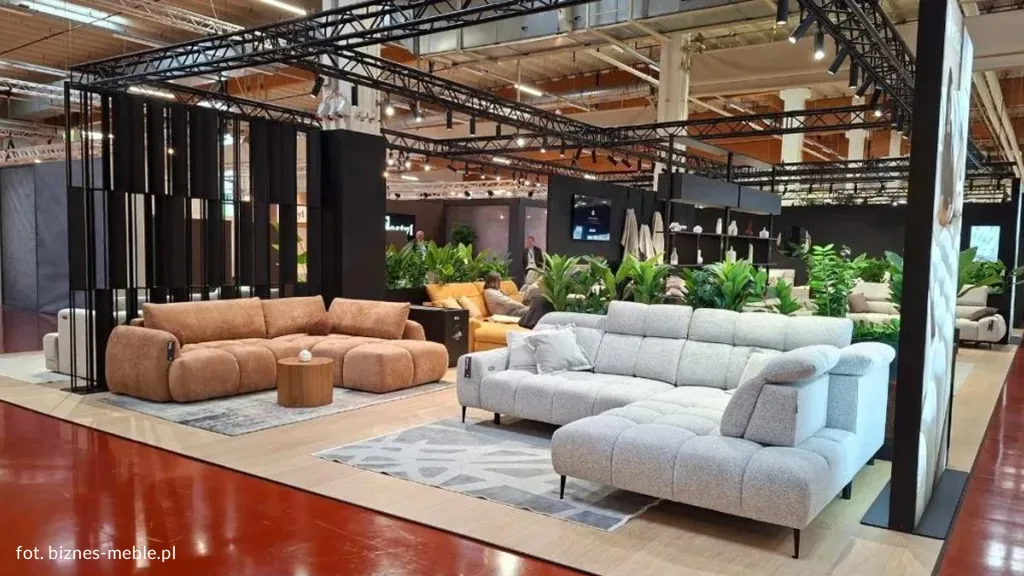
At many stands, the sofa was no longer presented as a fixed, standalone piece of furniture, but as a system of elements that could be combined, expanded and rearranged.
TOOU presented UNO, a modular sofa that can be expanded or reconfigured as interiors or household needs change. A similar approach was also evident in the collections presented by BASHA HOME and DASHCASA.
However, the total number of visitors remains unknown. As inside wohnen magazine pointed out, registration was not mandatory this year, meaning the organizer was unable to provide a comparable figure for total attendance.
The Market Is Declining, but Exports Remain Stable
Data from the German Furniture Industry Association (VDM) shows why the international character of the trade fair is so important today.
In the first half of 2026, sales in the German furniture industry fell by 2.7% year-on-year. In the domestic market, the decline was even sharper, reaching 4.1%.
Exports, however, remained relatively stable, with their share of total sales increasing to 35.2%. According to VDM forecasts, the full year 2026 could end with an overall sales decline of approximately 3%.
For manufacturers, the message is clear: the domestic market alone is no longer enough, and international sales are becoming increasingly important.
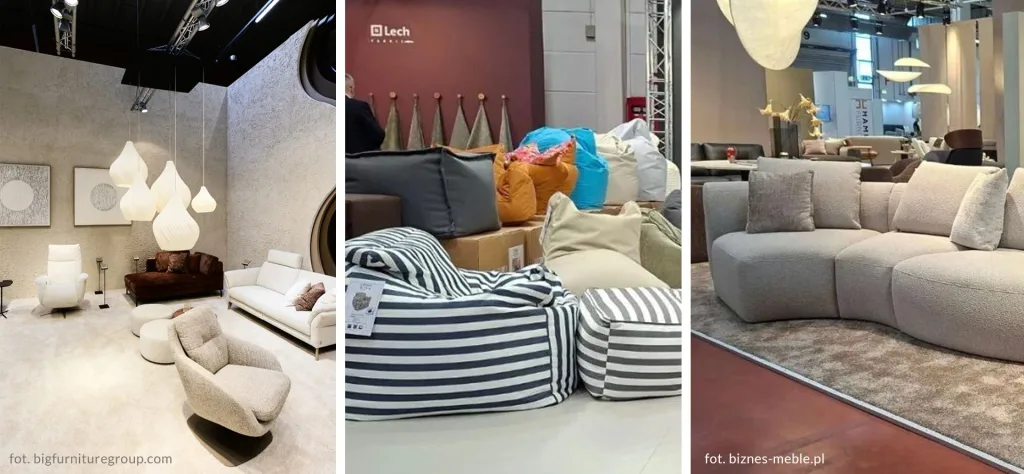
This is precisely why trade fairs like M.O.W. are so important. They bring together manufacturers, buyers, retail chains and suppliers from across multiple European markets in one place.
This is particularly important for the Polish furniture industry. Poland was among the most strongly represented countries in terms of exhibitors, and Polish furniture manufacturers in Bad Salzuflen compete for the same contracts and places in retail chains’ product ranges as companies from Germany, Denmark and the Netherlands.
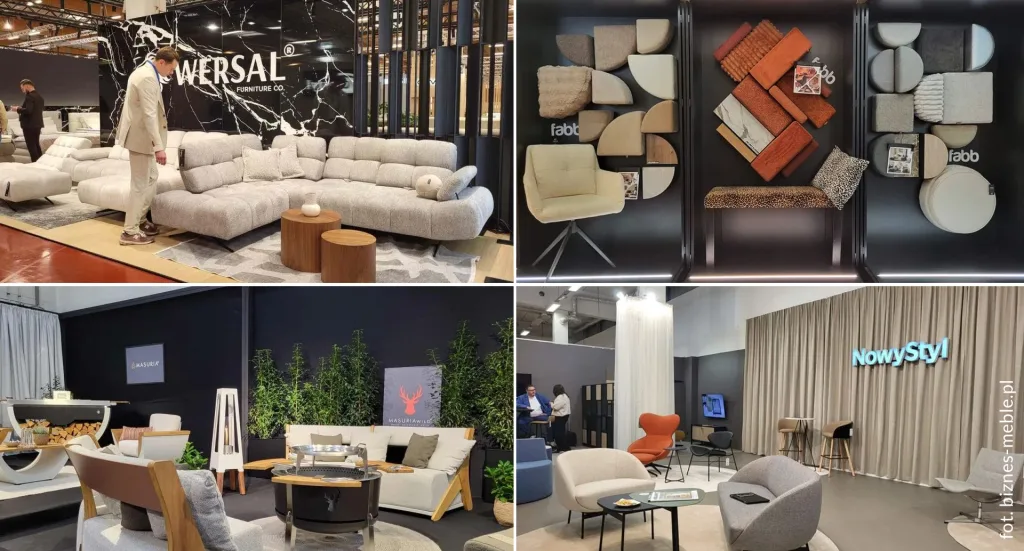
What Does This Mean for Upholstered Furniture Manufacturers?
The first takeaway concerns the timing of upholstery material selection.
M.O.W. takes place when retailers are selecting products for the coming months while already looking ahead to the next season. In practice, this means that a sofa displayed at a trade fair in September was designed much earlier. Its shape, construction, colour palette and upholstery fabric were all decided long before the event began.
For furniture manufacturers, this means that discussions with fabric suppliers should not begin when the finished model is already on display. They should start much earlier — during collection development, prototype preparation and the selection of variants that will later be presented to buyers.
One Model, Multiple Markets
The second takeaway concerns exports.
A sofa manufactured in Poland may be sold through retail chains in Germany, the Netherlands, Belgium, Denmark or France. The same model must therefore meet the needs of different markets and customer groups.
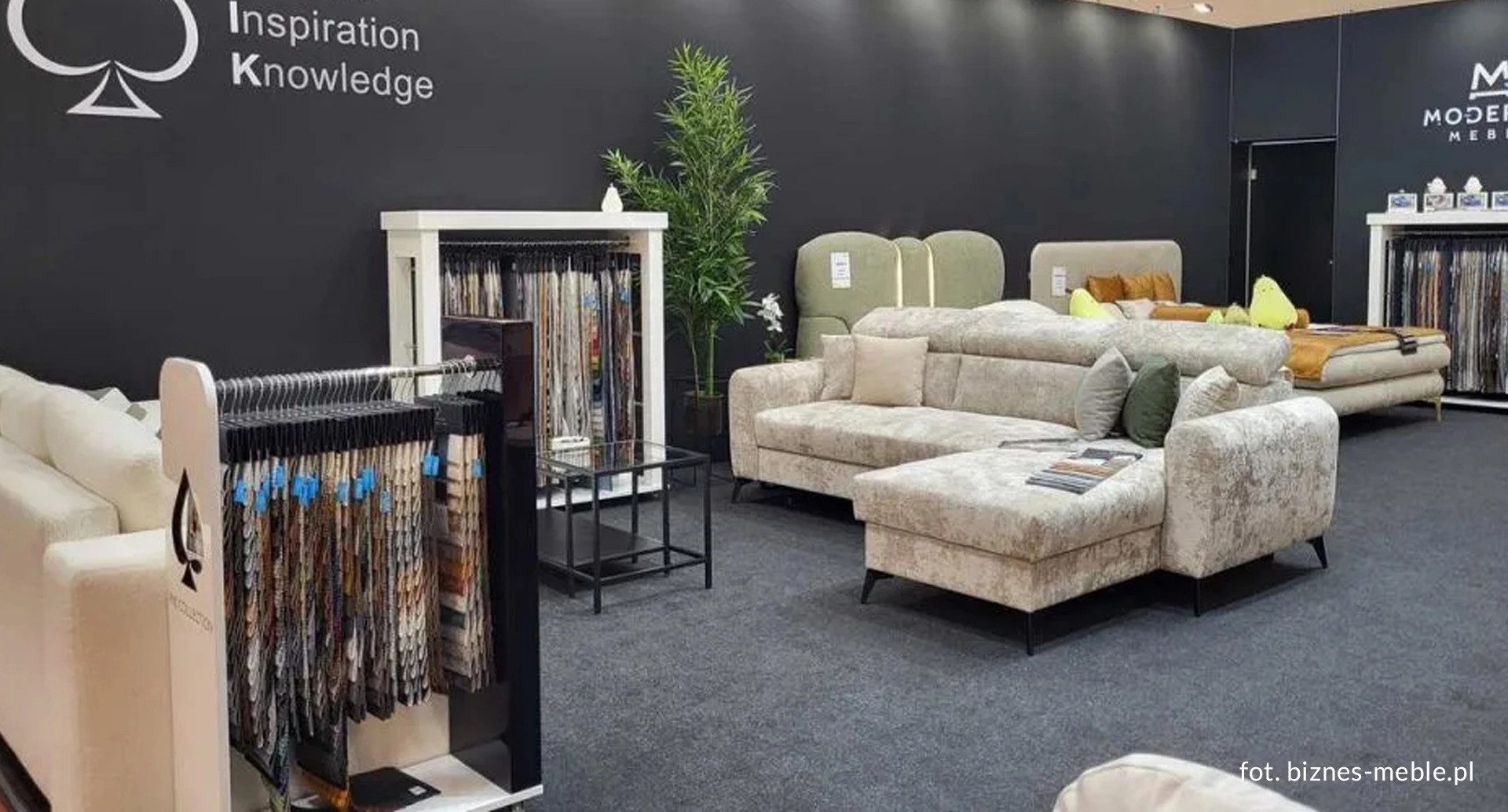
This goes beyond the price and construction of the furniture. Colour, fabric texture, hand feel, performance characteristics and the ability to create a cohesive palette of options for several markets at once are equally important.
For furniture manufacturers, a well-chosen upholstery fabric offers more than just an attractive finish. It can simplify the development of an entire collection and make it easier to adapt to different sales channels.
At M.O.W., Furniture Must Be Market-Ready
In this respect, M.O.W. differs from typical design fairs. It is not an event focused solely on concepts or experimental prototypes. Much of the discussion centres on furniture models intended for regular commercial production and retail sales.
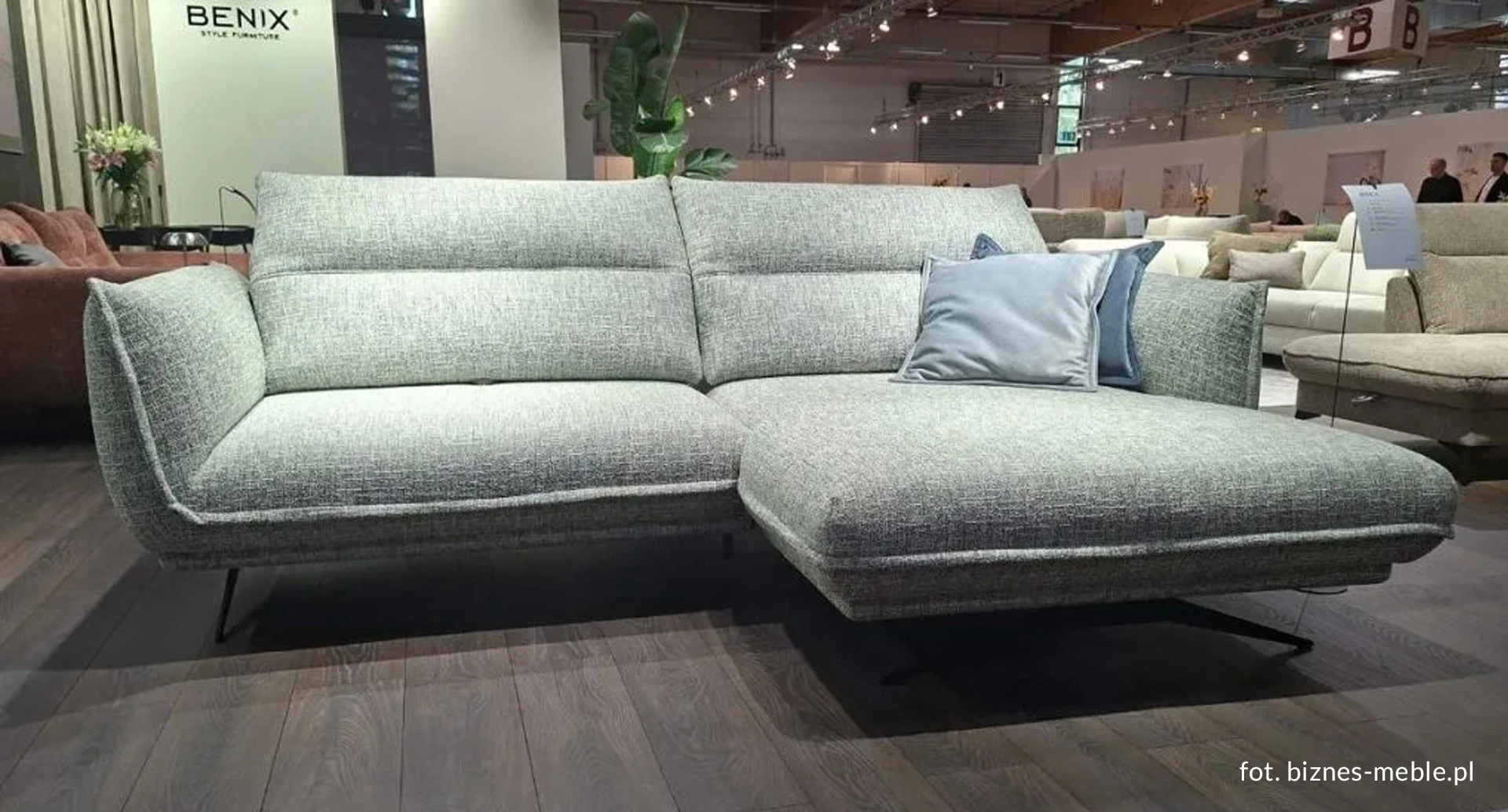
That is why upholstery fabric must look good on the trade fair stand, but appearance alone is not enough. It must also perform well in mass production, look attractive across the entire furniture piece, offer the right colours and technical properties, and meet the requirements of both retailers and end users.
Today, many decisions about upholstery materials are made at the intersection of design, production and sales.
Key Takeaways from M.O.W. 2026
This year’s edition reflected an industry operating in a more challenging market environment while increasingly seeking opportunities beyond its domestic borders.
The German furniture market is slowing down, while exports remain stable. M.O.W. continues to attract more international companies, and Poland remains one of the most strongly represented countries at the fair.
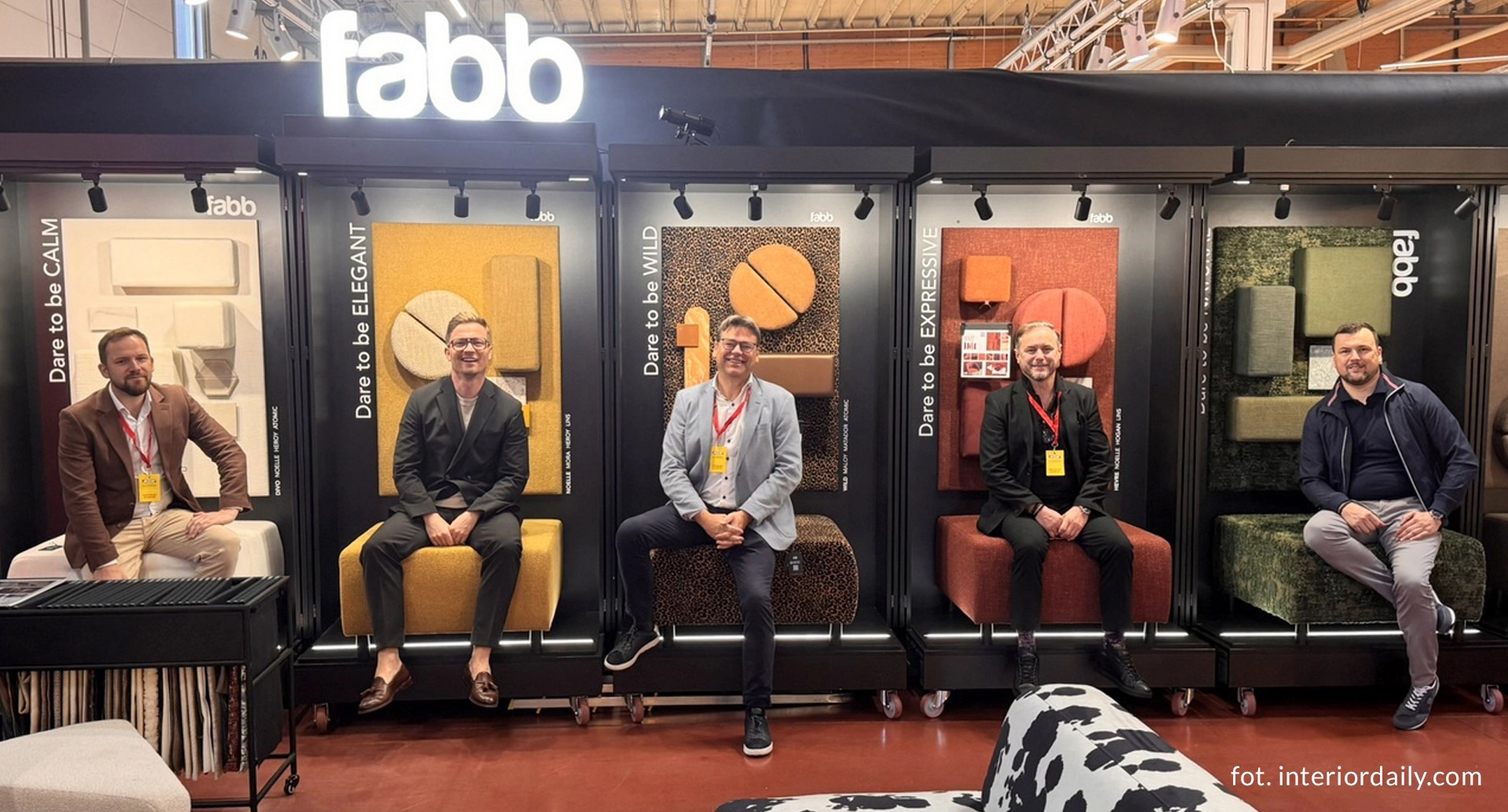
For upholstered furniture manufacturers, this means above all that collections need to be developed earlier, with multiple markets in mind from the outset.
For us at FABB, this confirms something we also see in our daily cooperation with furniture manufacturers: upholstery fabric is not the final element of a project. Increasingly, it is one of the key decisions that shape the development of an entire collection from the very beginning.
Follow Us on Social Media for More Updates:
M.O.W. 2026 took place from 20 to 24 September at the exhibition centre in Bad Salzuflen, Germany.
The trade fair brought together 620 exhibitors from 52 countries. In comparison, the previous year saw 558 exhibitors from 39 countries.
The organizer did not provide a total visitor figure, as registration was not mandatory this year. However, 45% of trade visitors came from outside Germany, with attendees representing 65 countries in total.
Poland, Denmark and the Netherlands were among the most strongly represented countries in terms of international exhibitors.
M.O.W. is primarily a trade fair focused on business deals and orders. Retailers come to explore market-ready furniture collections and discuss product ranges for upcoming seasons.