
DARE TO BE ORGANIC
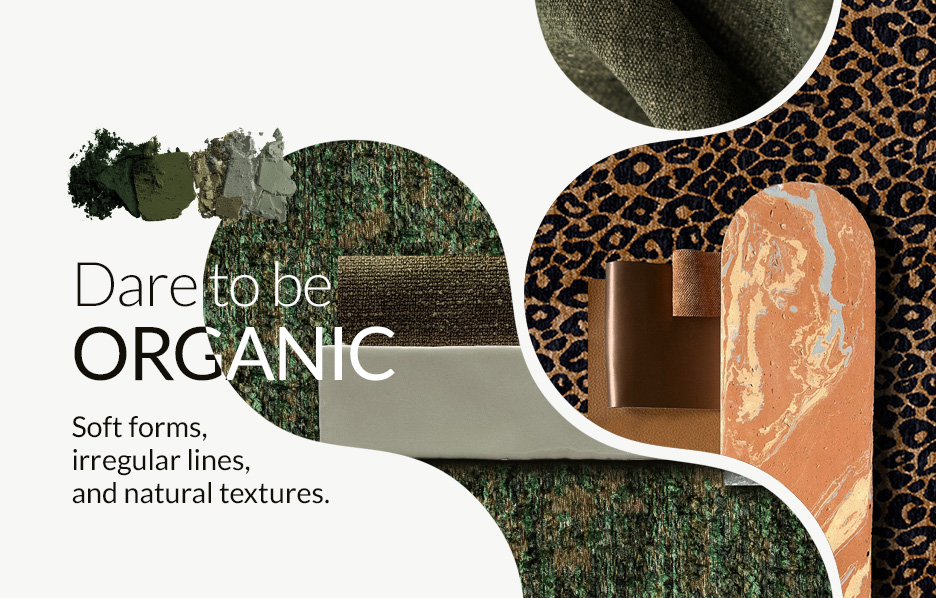
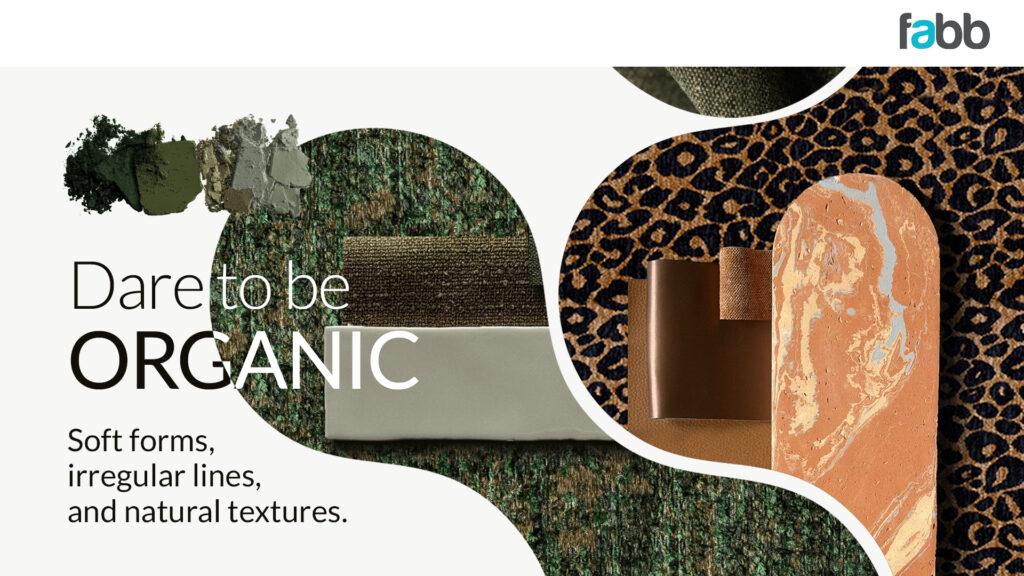
In 2026, organic modern is no longer a calm backdrop for minimalist interiors. It collides with biomorphism and enriches the narrative with new tones. Rounded volumes, irregular lines, and textures reminiscent of moss, rock, or mineral sediment stop being aesthetic quotations from nature. They become its contemporary interpretation.
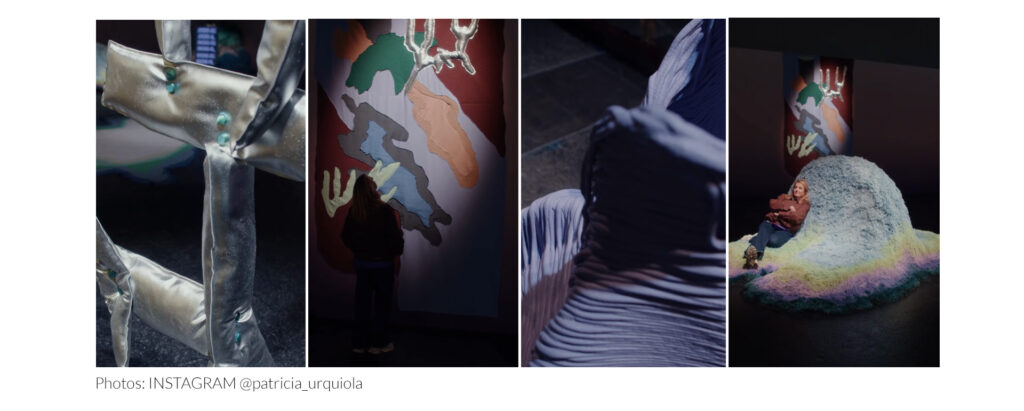
At Heimtextil 2025, this shift was especially evident. Patricia Urquiola’s installation for Moroso was more than a furniture display. It was an immersion. Gruuvelot, Mushmonster, Giano — plush, organic “creatures” with soft, flowing contours — redefined the idea of seating. Instead of geometric discipline: pulsating form. Instead of a cold surface: texture reacting to light and shadow. In this interpretation, biomorphism is not a literal imitation of nature but its energy translated into the language of design.
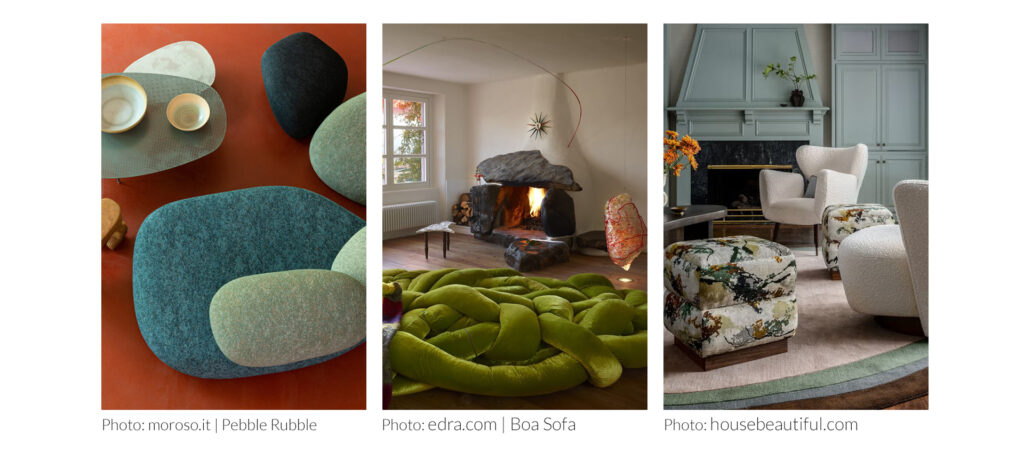
The same idea appears in projects such as Pebble Rubble by Front Design for Moroso — forms resembling stones smoothed by time. Asymmetrical, massive, yet surprisingly soft. These are no longer just pieces of furniture — they are landscapes.
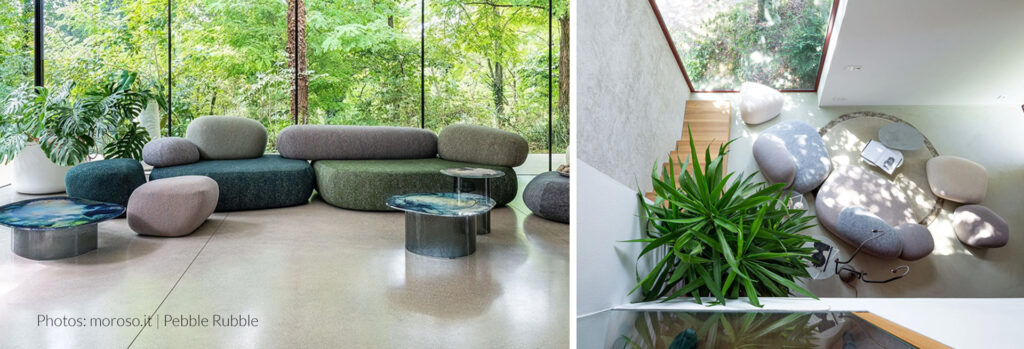
And it is within this landscape that the story of fabric begins.
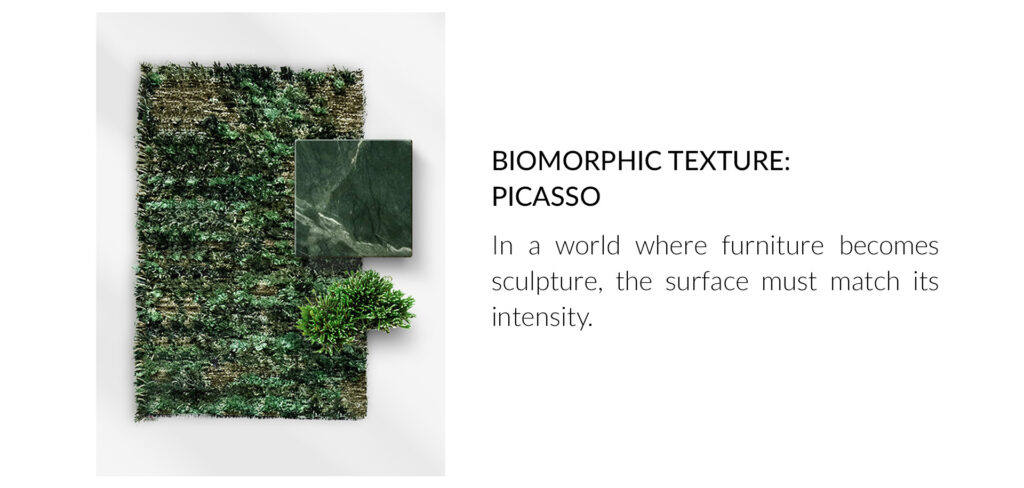
Biomorphic texture: Picasso
In a world where furniture form becomes sculpture, the surface must match it in intensity.
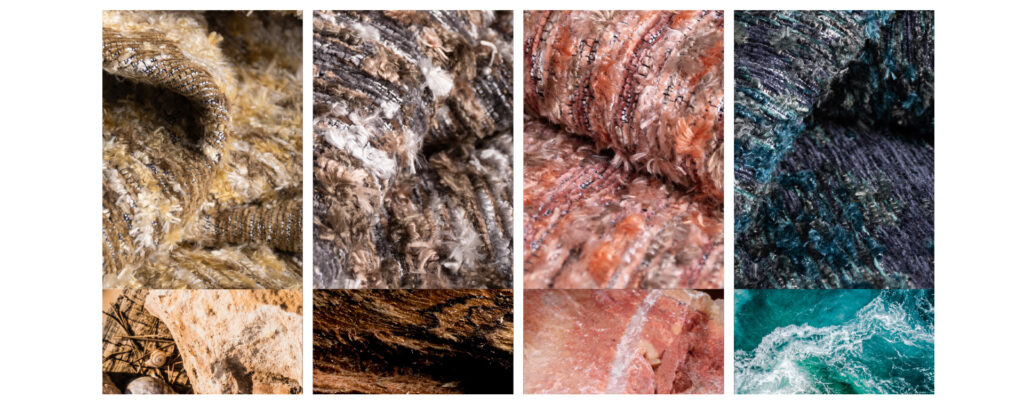
Picasso is a fabric with a multilayered, organic structure inspired by amber, tree bark, ocean waves, and forest floor textures. Its surface is not uniform. It moves. It builds depth. Up close, it reveals nuances; from a distance, it forms a calm, mineral plane.
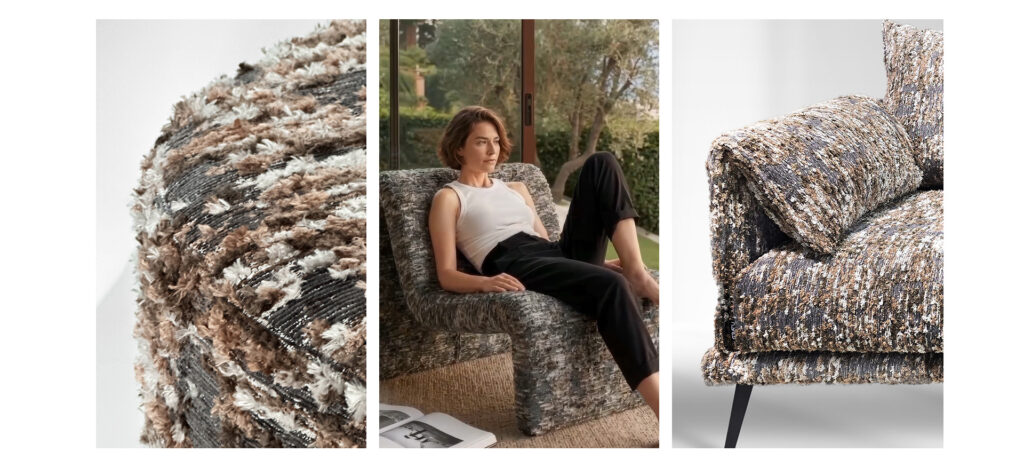
Within the context of biomorphism, Picasso acts like a second skin of the form. It highlights softness, reveals light and shadow, and adds visual weight without exaggeration. In this interpretation, organic modern is no longer just “warm minimalism.” It becomes architecture built on touch.
Dare to be Natural
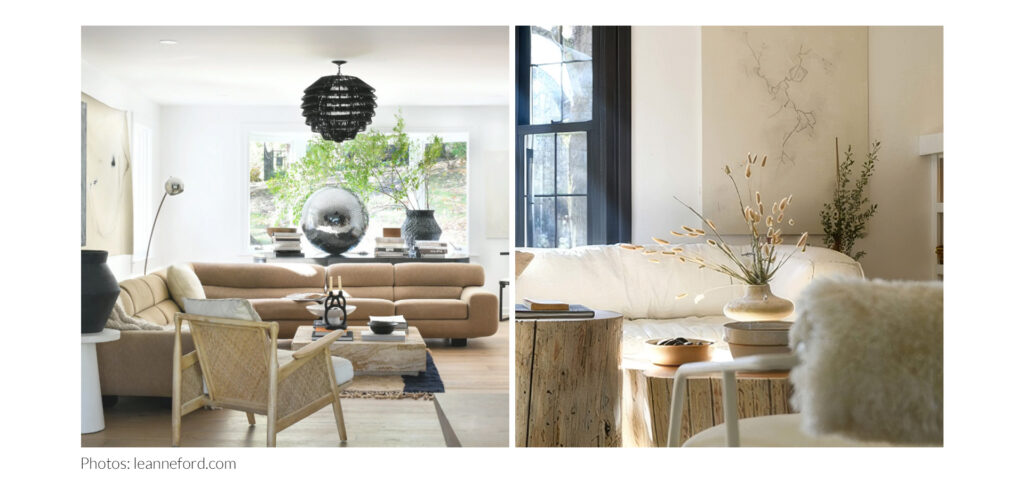
Biomorphism needs a counterpoint. That is why organic modern so often works with a raw, neutral base: earthy beiges, taupe, mineral browns, muted greens. Wood with pronounced grain. Stone with visible veins.
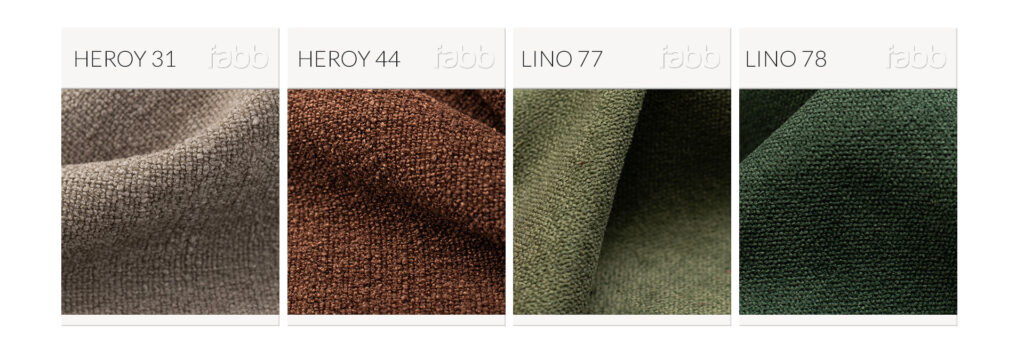
This is where Heroy and Lino find their place — fabrics with a linen-like, canvas character. Matte, breathable, calming the composition. They fit perfectly into the organic interiors of Leanne Ford (https://www.leanneford.com/sourceguides, where bright, structural materials interact beautifully with raw wood, stone, and terracotta.
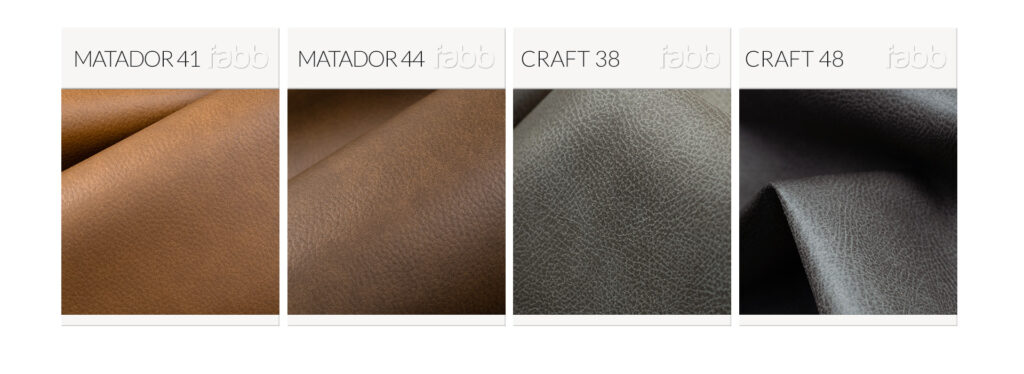
Matador and Craft build another, thicker layer — a timeless, solid leather presence that has always complemented organic interiors.
Layering is the key today. Interiors are designed like landscapes: with soft “islands,” upholstered panels, and rounded niches. Fabric stops being just upholstery. It becomes architectural material.
Dare to be Natural does not mean literalness. It means the courage to trust structure.
Dare to be Wild
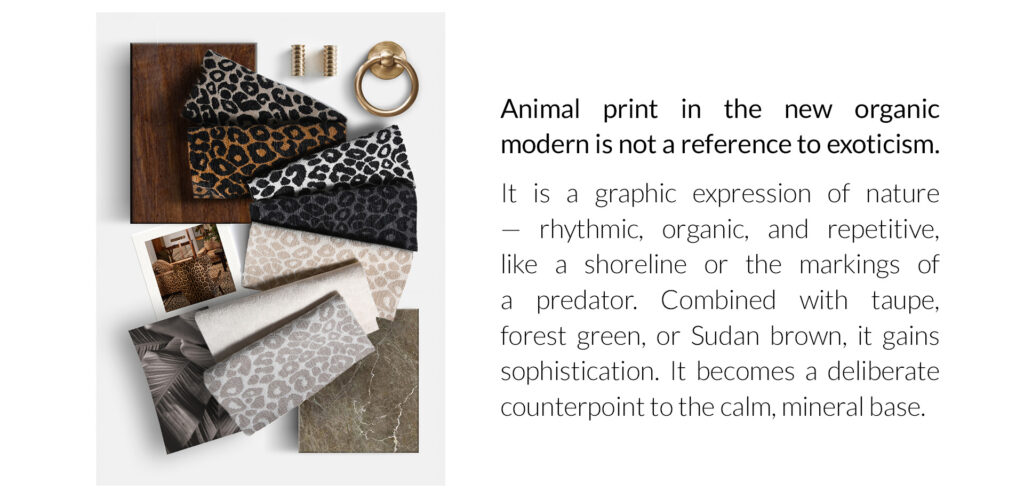
But biomorphism has another face — a more predatory one. Among mineral textures and rounded forms, an accent appears that sets the rhythm. Wild — a leopard jacquard functioning as a “pattern neutral.” When arranged correctly, it is not provocative. It intrigues. It pulses.
In the new version of organic modern, animal print is no longer an exotic reference. It becomes a graphic expression of nature — rhythmic, organic, repetitive like a shoreline or a predator’s spots. Combined with taupe, forest green, or Sudan brown, it gains refinement and becomes a conscious counterpoint to the calm, mineral base.
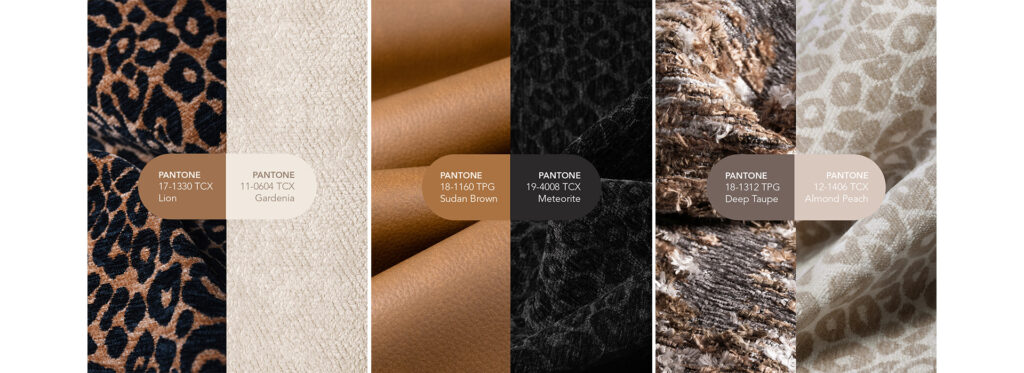
Dare to be Wild is the courage to introduce energy into a structural world — to allow the interior to gain character.
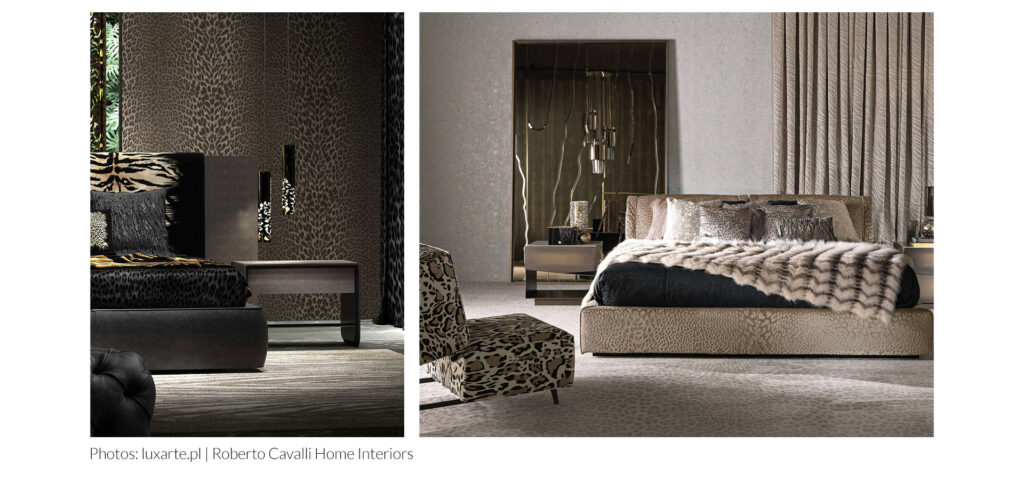
Sensory interiors 2026
What fascinates designers today the most? Increasingly, interiors are described as multisensory experiences — spaces that respond to touch, light, and movement.
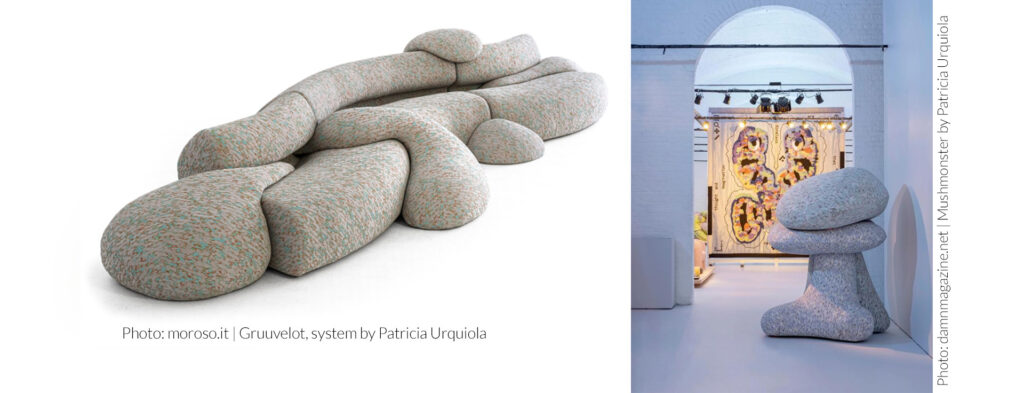
The biomorphic forms of Moroso or Urquiola’s installations are only a preview of a broader shift: furniture is no longer geometric, and fabrics are no longer flat.
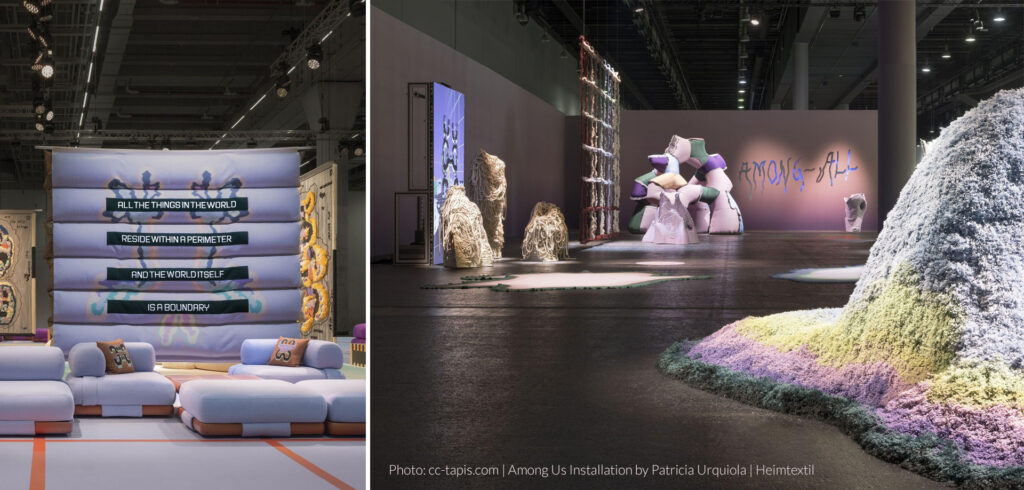
Organic design is not about copying nature. It is about interpreting it — through texture, curvature, and layering.
Picasso, Wild, Heroy, Lino, Matador, Craft, and Hogan form a set of fabrics that allows designers to build tension between nature and expression. Between calm and energy.
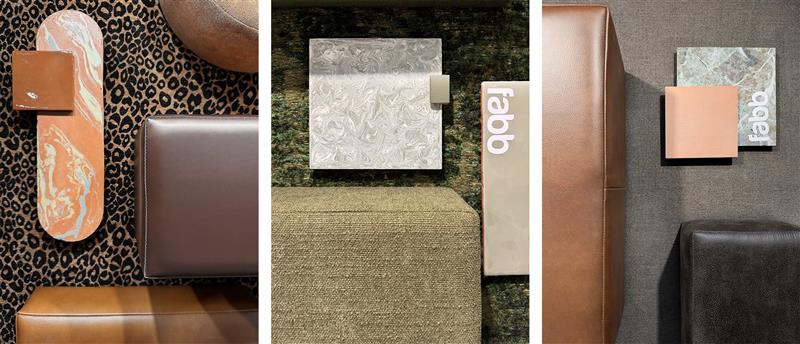
Dare to be Natural.
Dare to be Wild.
Or perhaps simply: dare to feel.
The rest is best experienced in real life — because biomorphism begins where the screen ends and touch begins.